Scientists from our Laboratory of Aquaculture have improved a method that enables reliable DNA extraction from a single fish egg at a relatively low cost.
In science, improving research methods is one of the foundations of further progress. Sometimes, even the smallest biological samples hold valuable information about marine life, but obtaining that information is not always straightforward.
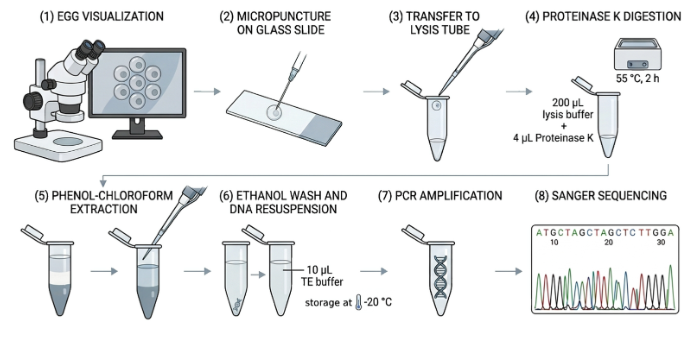
Extracting DNA from individual fish eggs can be challenging, as existing procedures do not always yield enough high-quality material for further analysis. Our scientists have optimized an existing method and applied it to more than 200 fish eggs, achieving a PCR amplification success rate of over 98%. The resulting genetic data enabled reliable species identification, opening up new opportunities for studying fish reproduction.
One of the main advantages of this method is that it uses readily available chemicals and standard laboratory equipment. The published protocol also provides detailed instructions on how to prevent DNA loss and remove substances that may interfere with subsequent analysis. This makes the method more accessible to laboratories worldwide, including those without access to more expensive commercial solutions.
The method was developed as part of the EpoMariNet project, funded by the Croatian Science Foundation, which investigates the environmental impacts of fish farming in marine cages. One of the project’s research questions is whether Atlantic bluefin tuna reproduce inside aquaculture cages. However, many other fish species live around these farms, and their eggs can look very similar to those of tuna. Therefore, finding fish eggs inside a fish farm does not necessarily mean that tuna have spawned there. This is why reliable genetic analysis is essential, as it allows researchers to determine the species from a single fish egg.
Our scientists have published this significant methodological advancement in the international peer-reviewed scientific journal Bio-protocol, which specializes in publishing detailed and validated scientific methods. The protocol is now available to researchers worldwide, enabling them to reproduce the procedure and apply it in their own studies.
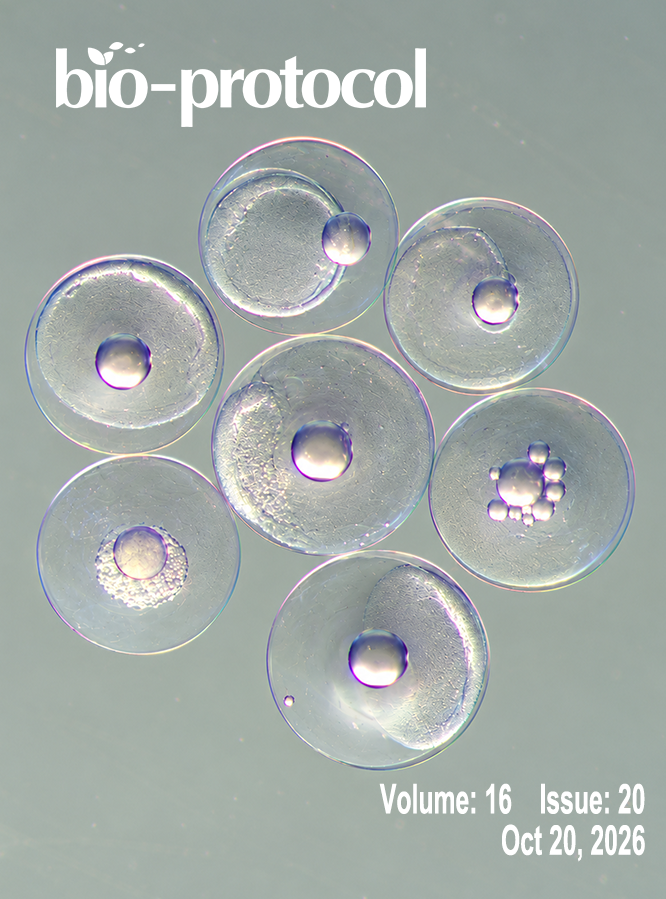
A photograph of fish eggs taken during the research was selected by the journal’s editorial team for the cover of its October 20, 2026 issue, providing additional recognition of our scientists’ work. The cover image is shown in the accompanying photograph.