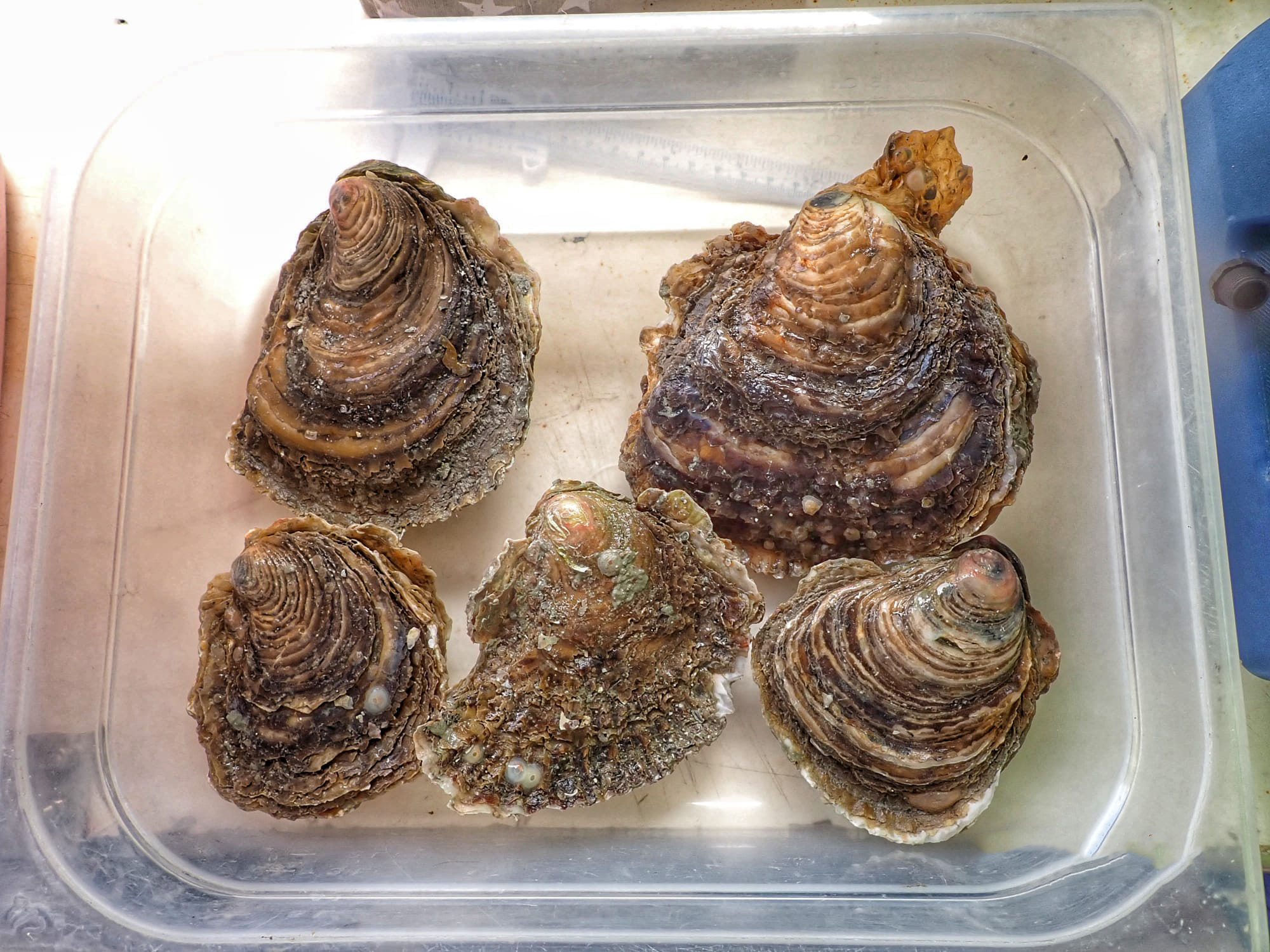
The oyster is widely known as a highly valued seafood delicacy, but its role in the marine environment extends far beyond that.
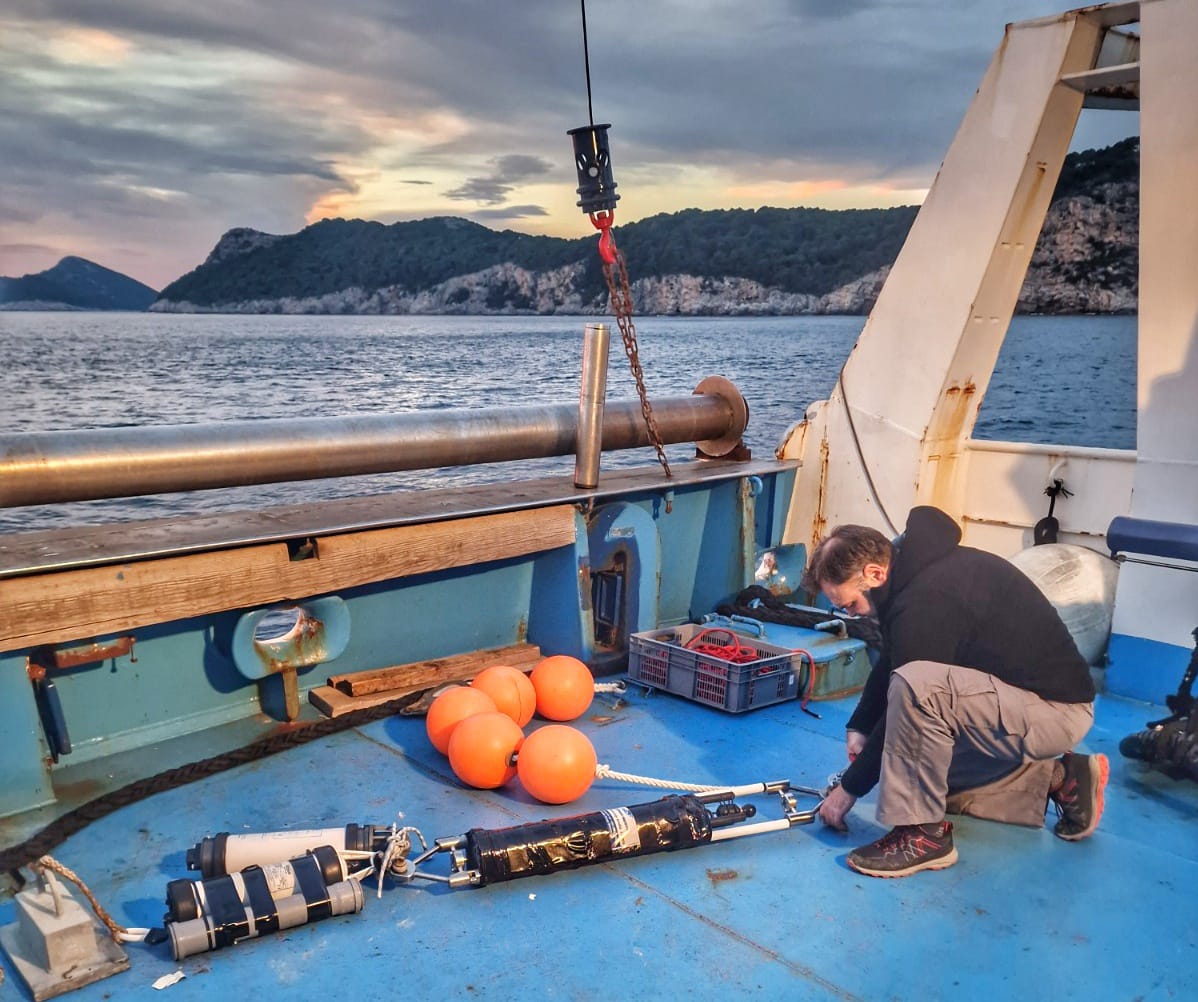
Our scientists are collecting the biological and ecological data needed to support the conservation and restoration of European flat oyster populations in the Adriatic Sea. In natural habitats, oysters can form biogenic reefs that provide habitat for numerous marine organisms. By filtering seawater, they also contribute to water quality and to the functioning of the wider marine ecosystem. Unfortunately, oyster reefs are declining throughout Europe, and in many areas the species is already considered functionally extinct. As a result, major efforts are now being invested in restoring its former populations and habitats.
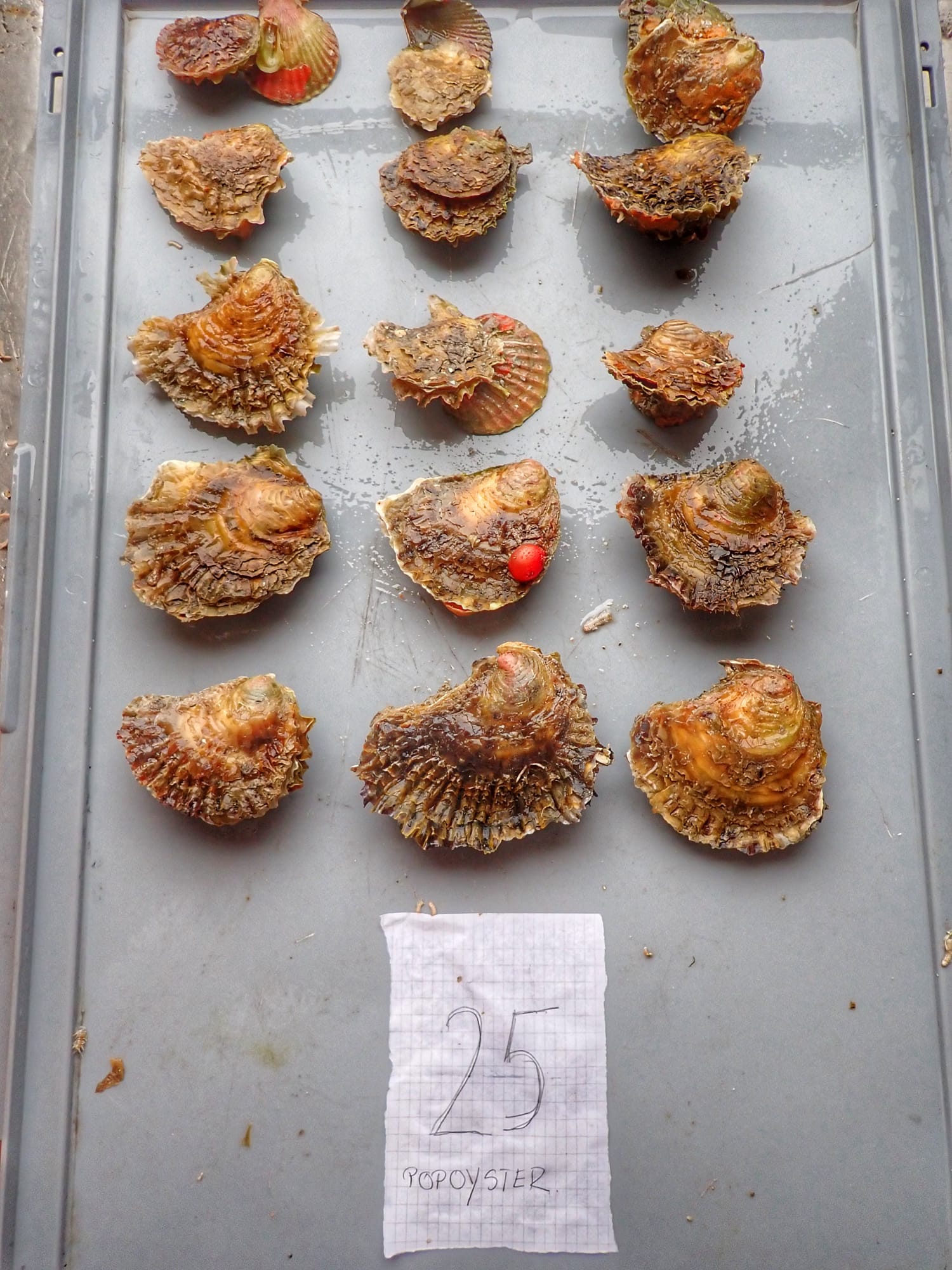
The Adriatic Sea remains one of the few regions where both wild and farmed populations of this species still occur. However, concerning changes have also been recorded in our region in recent years. Through the POPOyster project, funded by the Croatian Science Foundation, we are working to collect as much information as possible on both wild and farmed oyster populations. Our aim is to improve our understanding of their current status and contribute to the conservation of this valuable species.
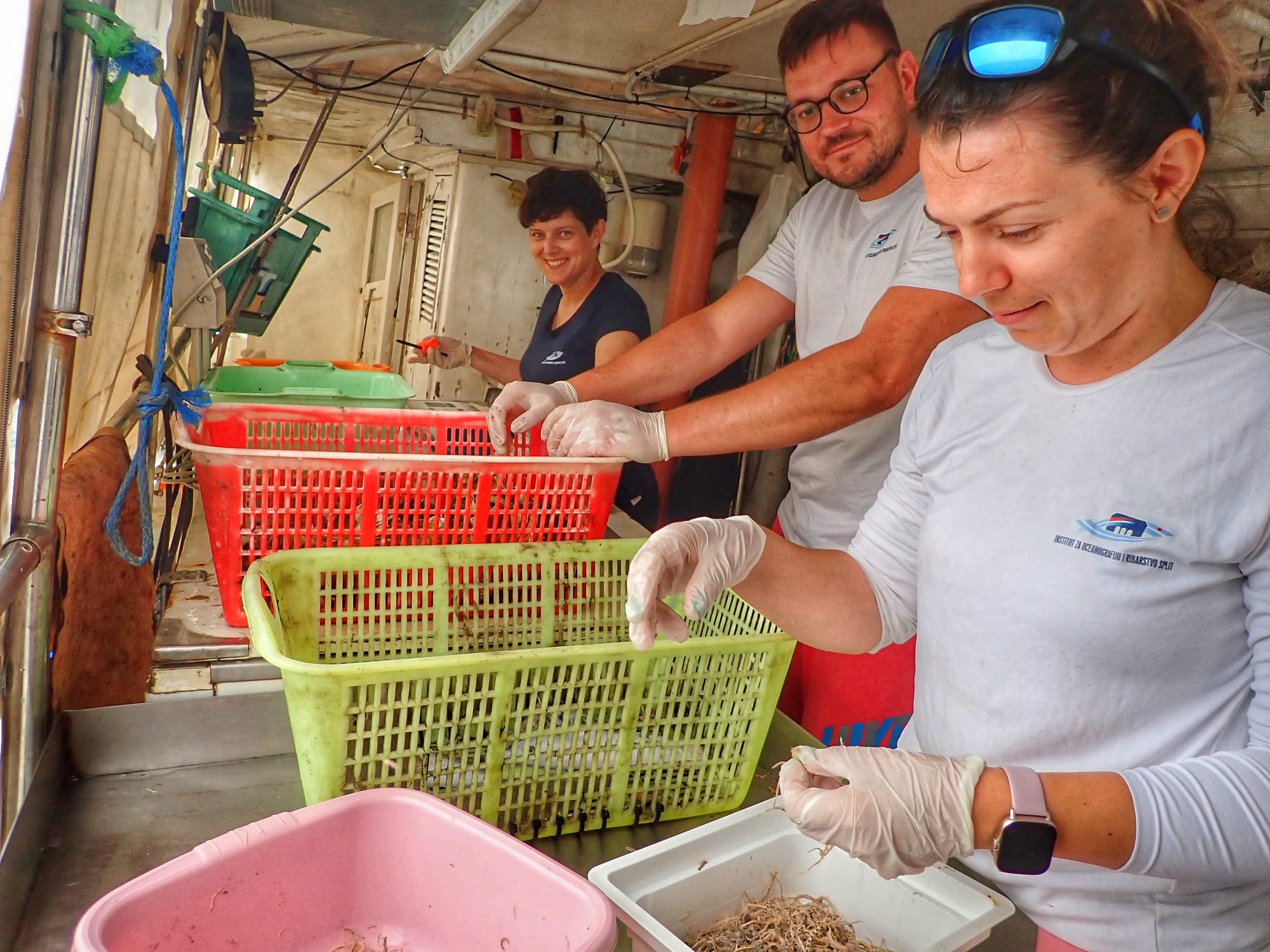
Through systematic field research, we investigate oyster populations and collect the data needed to support sound decisions on conservation, aquaculture and the future restoration of oyster populations in the Adriatic Sea. This work has resulted in two new scientific papers dedicated to the European flat oyster.
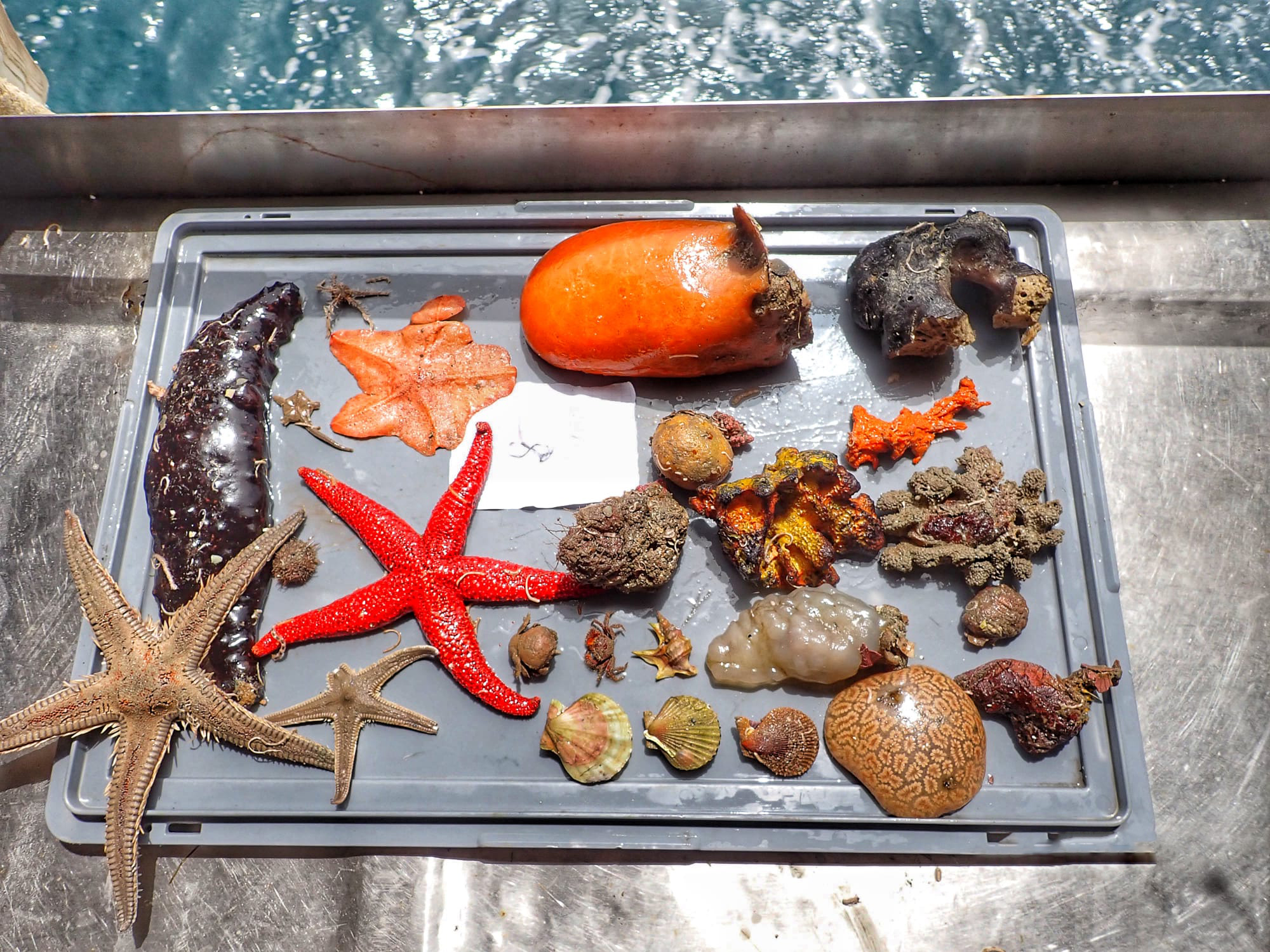
By combining field sampling, underwater surveys using a remotely operated vehicle and the analysis of historical data, we assessed the status of wild oyster populations in the northern Adriatic and proposed scientifically grounded recommendations for their restoration.
In the second study, we monitored the reproductive cycle of the oyster and the settlement of its spat on collectors at five aquaculture sites along the eastern Adriatic coast. The results showed that settlement success is strongly influenced by depth and local environmental conditions. The timing and depth at which collectors are deployed should therefore be adapted to the specific conditions of each aquaculture site.
You can also use our application to report locations where you have observed oysters.
Reports submitted by members of the public have already proved extremely valuable. They have helped us identify new locations, guide field surveys and collect information that would otherwise be difficult to obtain. We thank everyone who has contributed and, in doing so, directly supported research and the conservation of oysters in the Adriatic Sea. Data on reported locations are not made publicly available. They are used exclusively by our scientists to visit the sites, verify the reports and collect valuable information for research purposes.