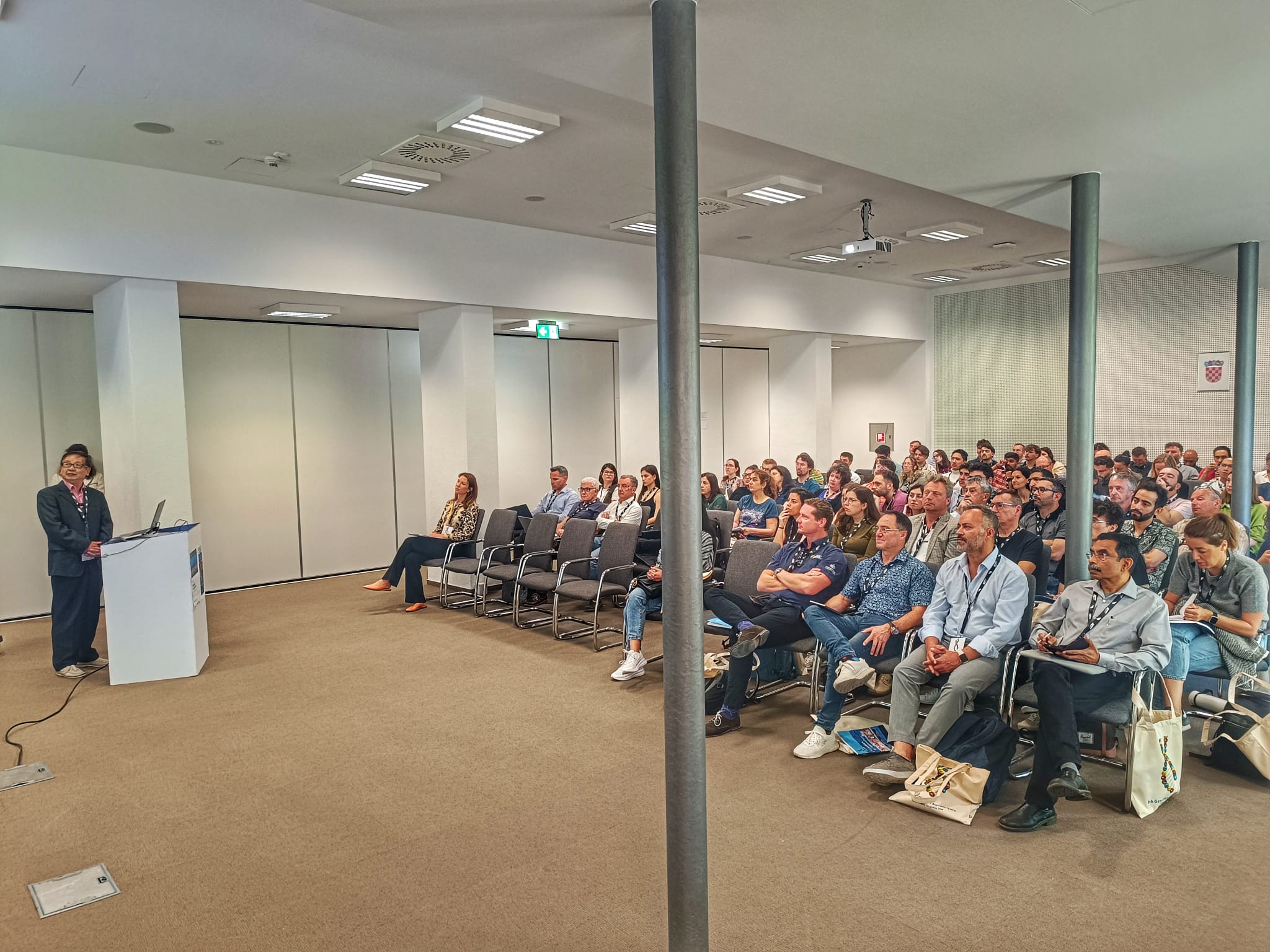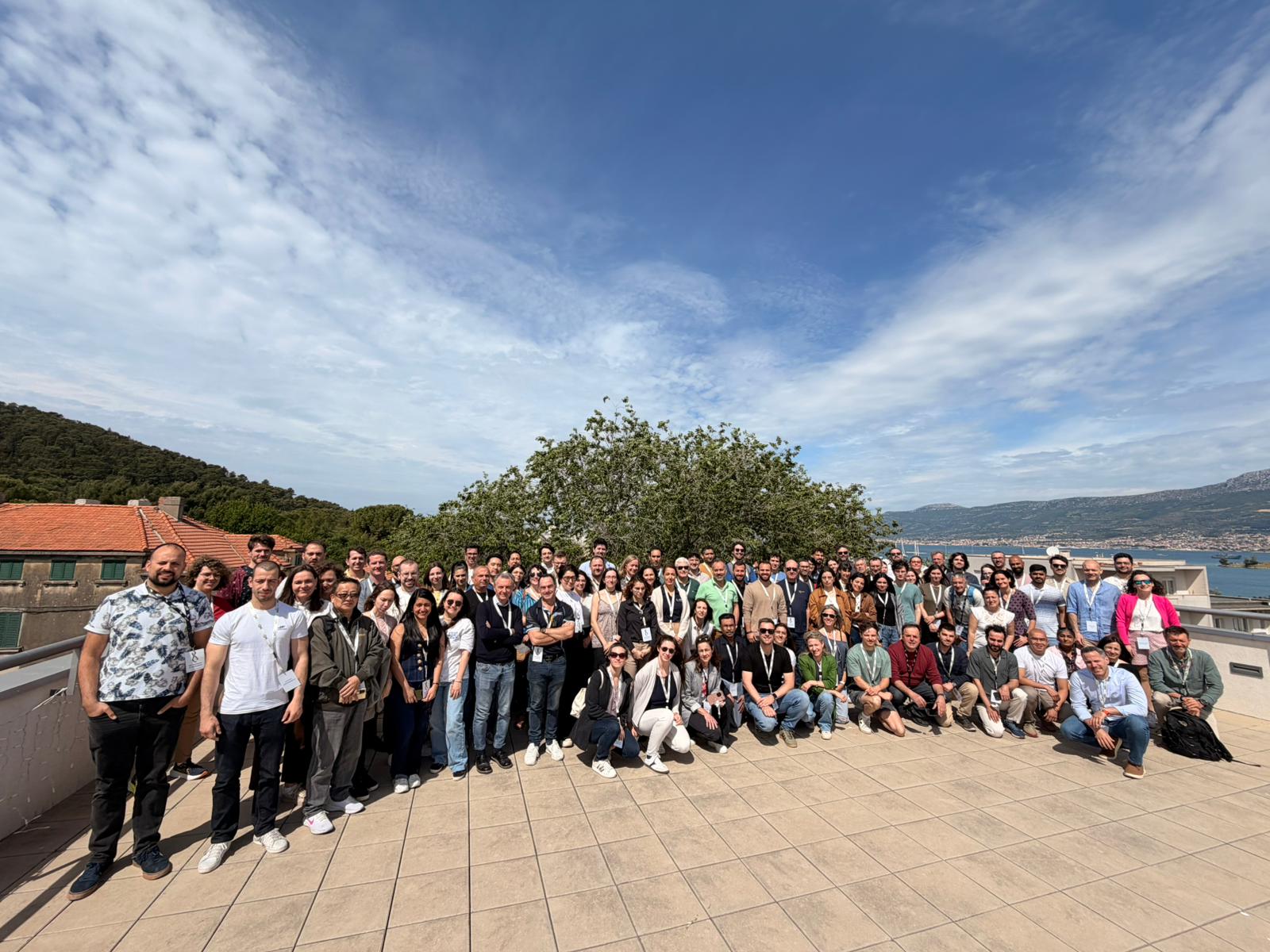
The international symposium Genomics in Aquaculture 2026 was held at the Technology Park Split from 4 to 6 May 2026. This was the eighth edition of the scientific meeting, which brings together leading international scientists, early-career researchers, and industry representatives working in the fields of genomics, genetics, molecular biology, and the sustainable development of aquaculture.
This year’s symposium was organized by the Institute of Oceanography and Fisheries, making Split a meeting point for experts exploring how modern “omics” technologies can be used to support healthier, more resilient, and more sustainable farming of marine and freshwater organisms.
The symposium was opened by the main organizer, Dr. Ivana Bušelić Garber from the Laboratory of Aquaculture at the Institute of Oceanography and Fisheries. She emphasized that genomics in aquaculture is still often perceived as a new and emerging field, although it has already become one of the key tools for understanding and improving this important branch of food production.
On behalf of the Institute, the participants were welcomed by the Director, Dr. Živana Ninčević Gladan, who emphasized that hosting such an international event is an important confirmation of the Institute’s recognition within the international scientific community.
A special welcome to the participants was also given by the Deputy Mayor of the City of Split, Matea Dorčić, who highlighted that hosting this international scientific meeting is a significant recognition for Split and its scientific community. The opening ceremony was also attended, on behalf of Split-Dalmatia County, by Ana Glaurdić Mekinić, Head of the Administrative Department for Tourism, Maritime Affairs and Transport, and Marin Perčić, advisor in the same department.
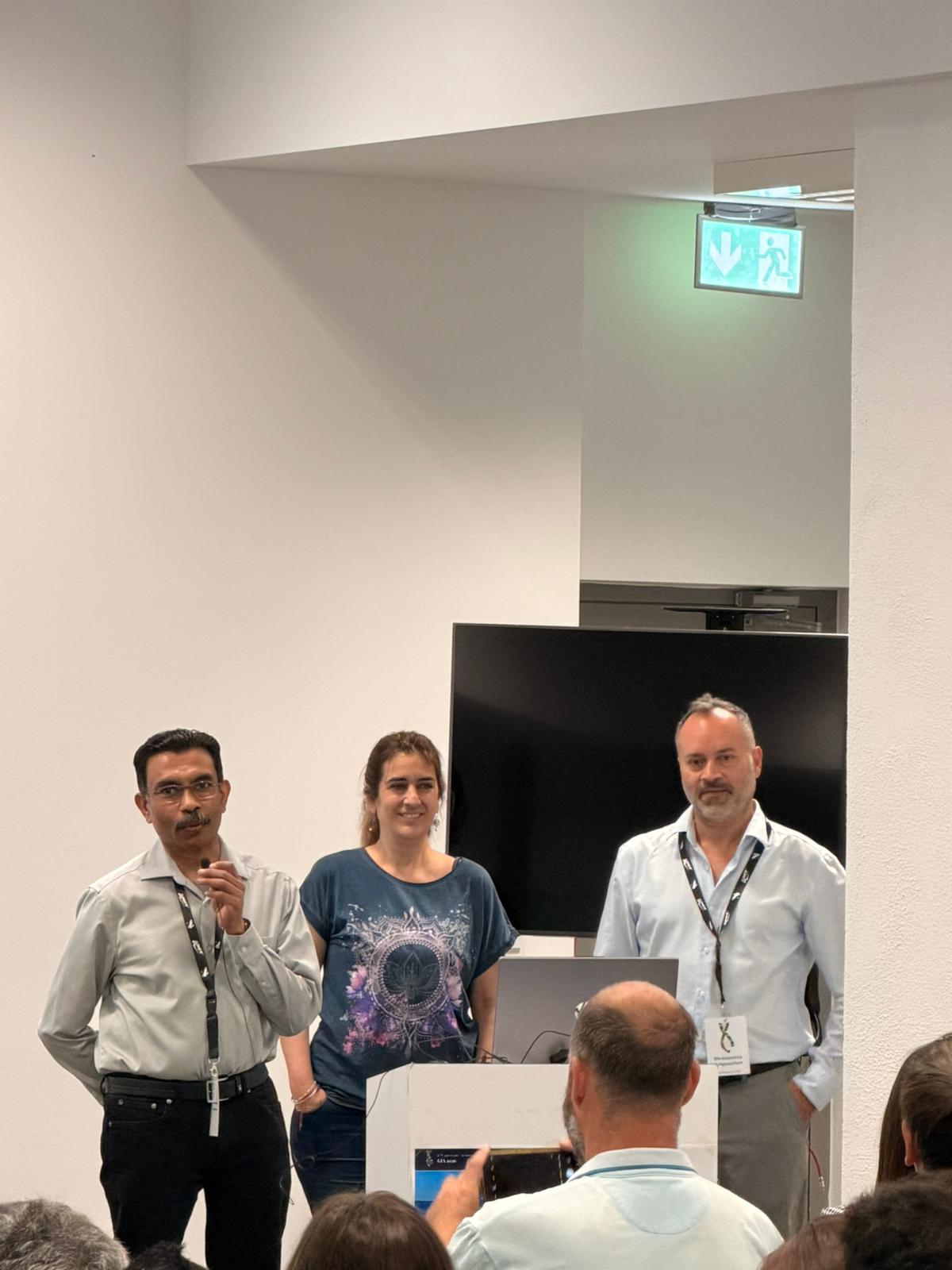
During the symposium, special attention was drawn to the lectures delivered by three distinguished invited speakers, leading international experts in the fields of genomics and aquaculture.
Among them was Dr. Gen Hua Yue from the Temasek Life Sciences Laboratory in Singapore, who leads research in the field of molecular population genetics and breeding. His work includes the development of advanced approaches in genomics and selective breeding of various species, including Asian seabass and tilapia, and makes a significant contribution to connecting fundamental science with practical applications in aquaculture.
Dr. Kaja Helvik Skjærven from the Institute of Marine Research in Norway presented research at the intersection of fish nutrition, early development, and epigenetic regulation. Her work focuses on understanding how environmental factors, such as nutrition and temperature, affect gene regulation and fish health across generations, which is essential for the development of more resilient and sustainable aquaculture systems.
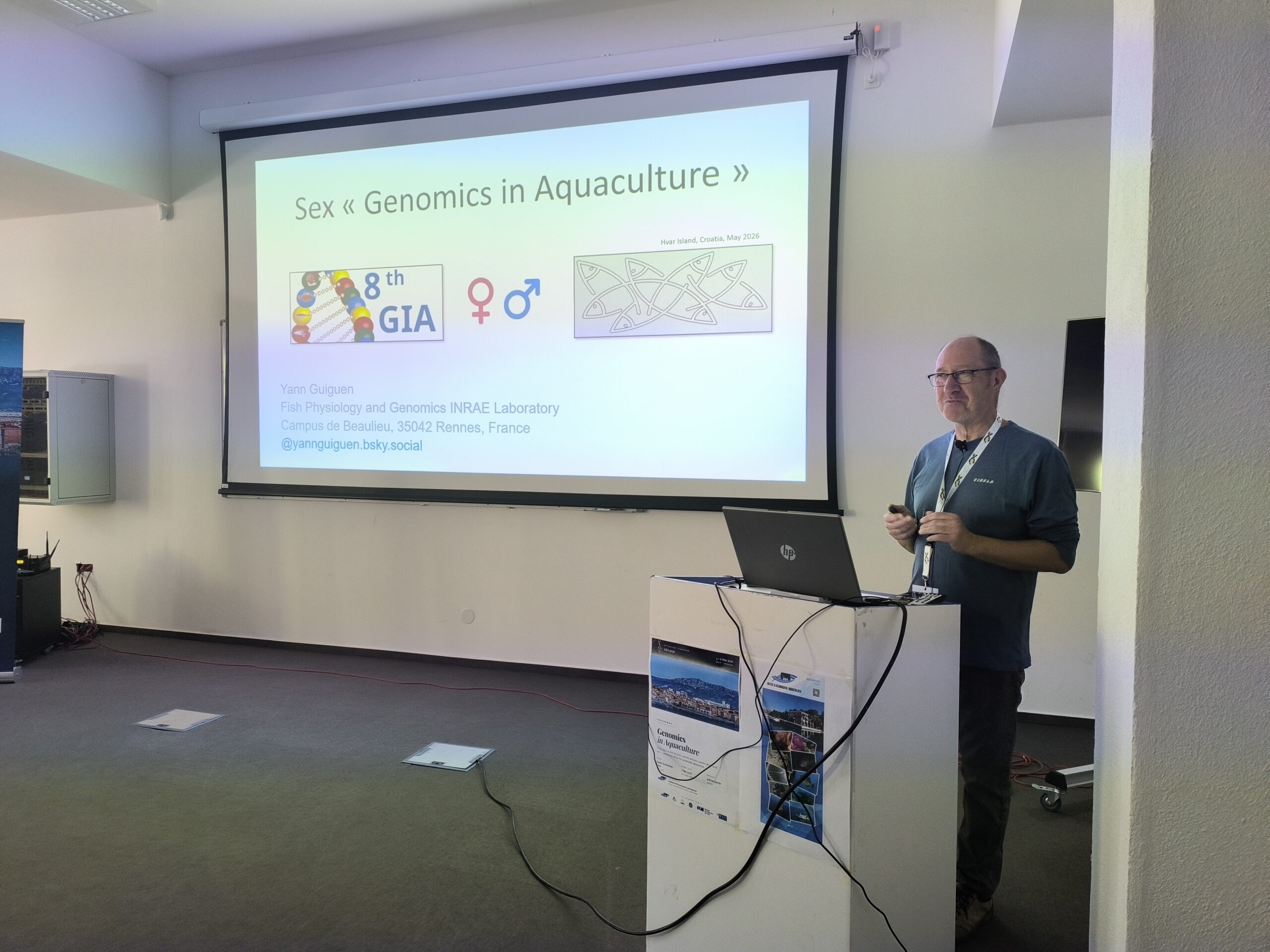
The participants were also addressed by Dr. Yann Guiguen from the French research institute INRAE, whose research focuses on understanding the mechanisms of sex determination and sex differentiation in fish. By combining genomic and physiological approaches, his work contributes to a better understanding of the evolution of sex systems and has important applications in selective breeding and the management of farmed populations.
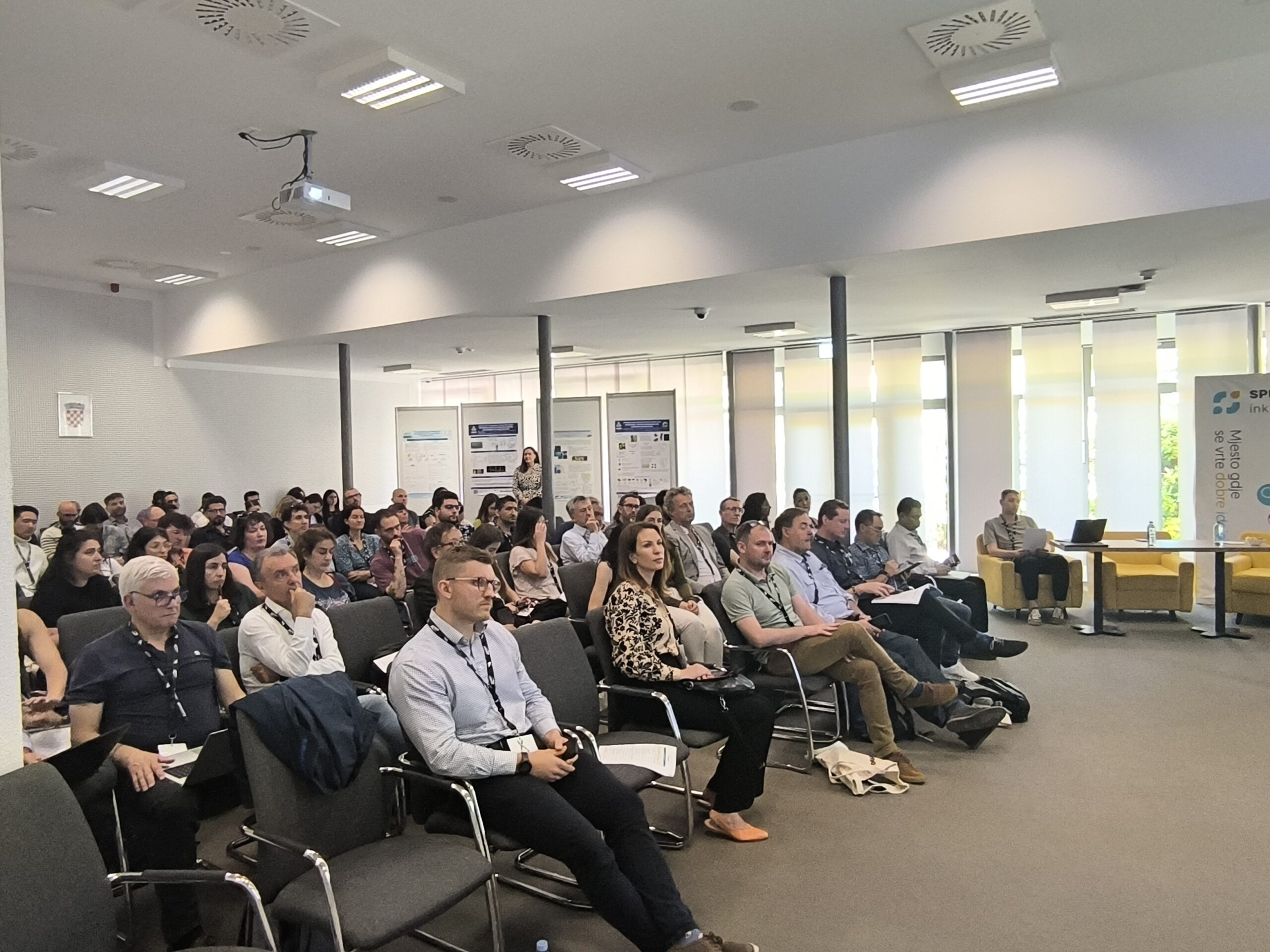
In addition to the invited lectures, the symposium programme included a total of 49 oral presentations and 32 poster presentations. Participants presented research covering a wide range of topics, from the application of genomic and transcriptomic tools, selective breeding, and fish health, to the effects of environmental factors and climate change on aquaculture.
The diversity of topics and the high level of scientific excellence further confirmed the importance of this meeting as a platform for knowledge exchange, networking, and the development of new international collaborations.
The organization of Genomics in Aquaculture 2026 in Split, hosted by the Institute of Oceanography and Fisheries, further confirms the important role of our scientists who, alongside their international colleagues, are developing new knowledge, innovative approaches in aquaculture, and contributing to shaping the future of sustainable food production from the sea.