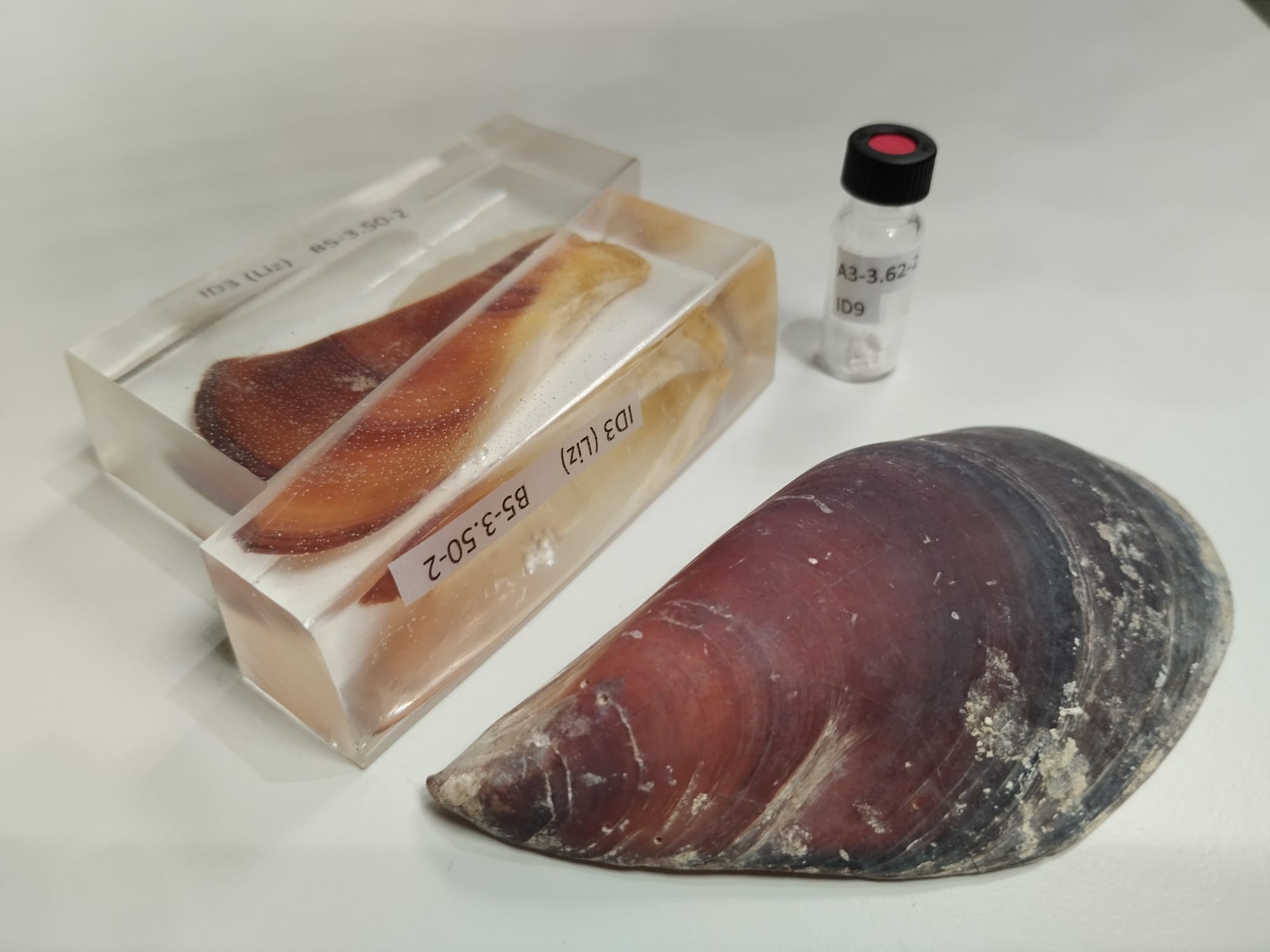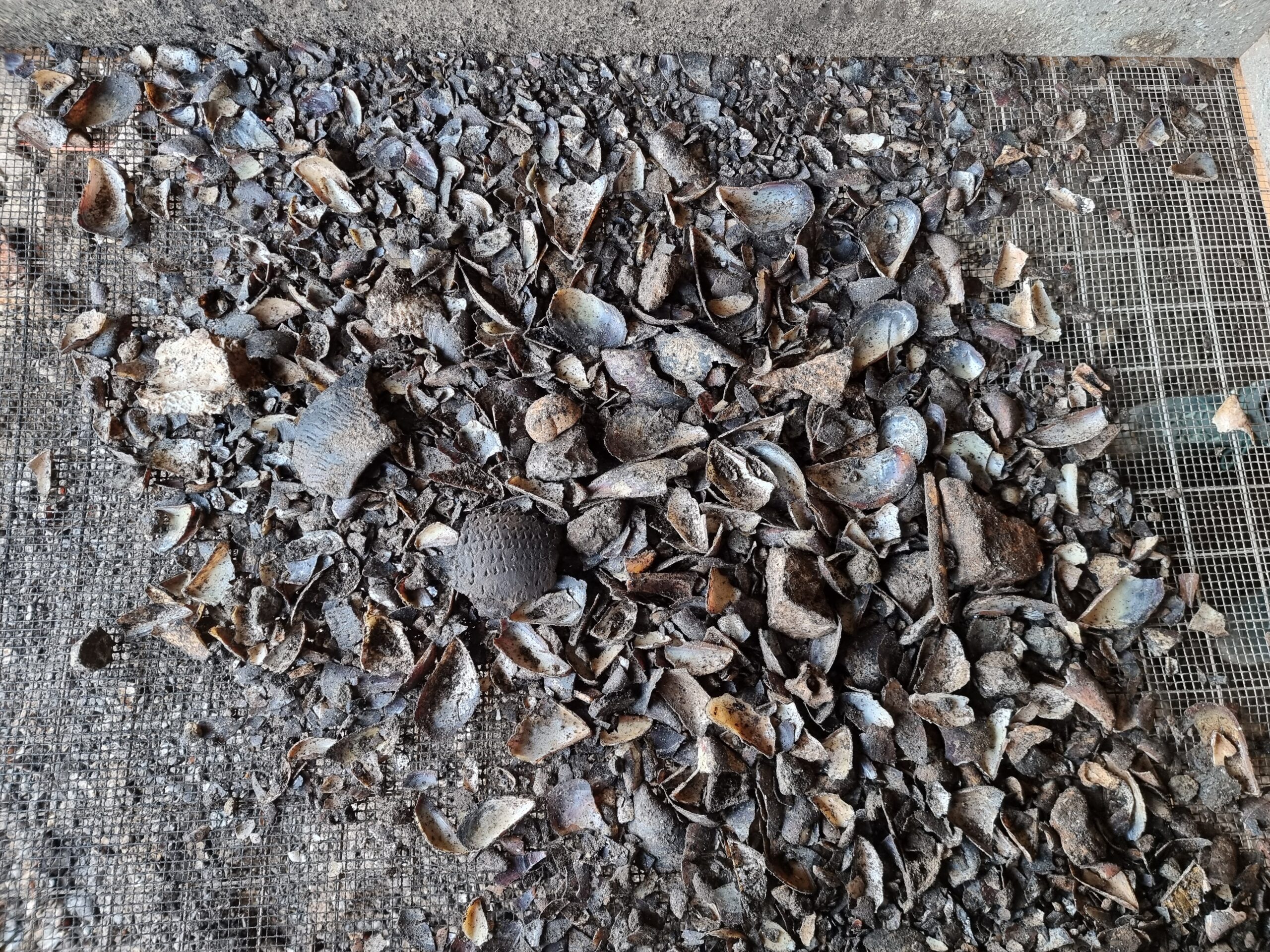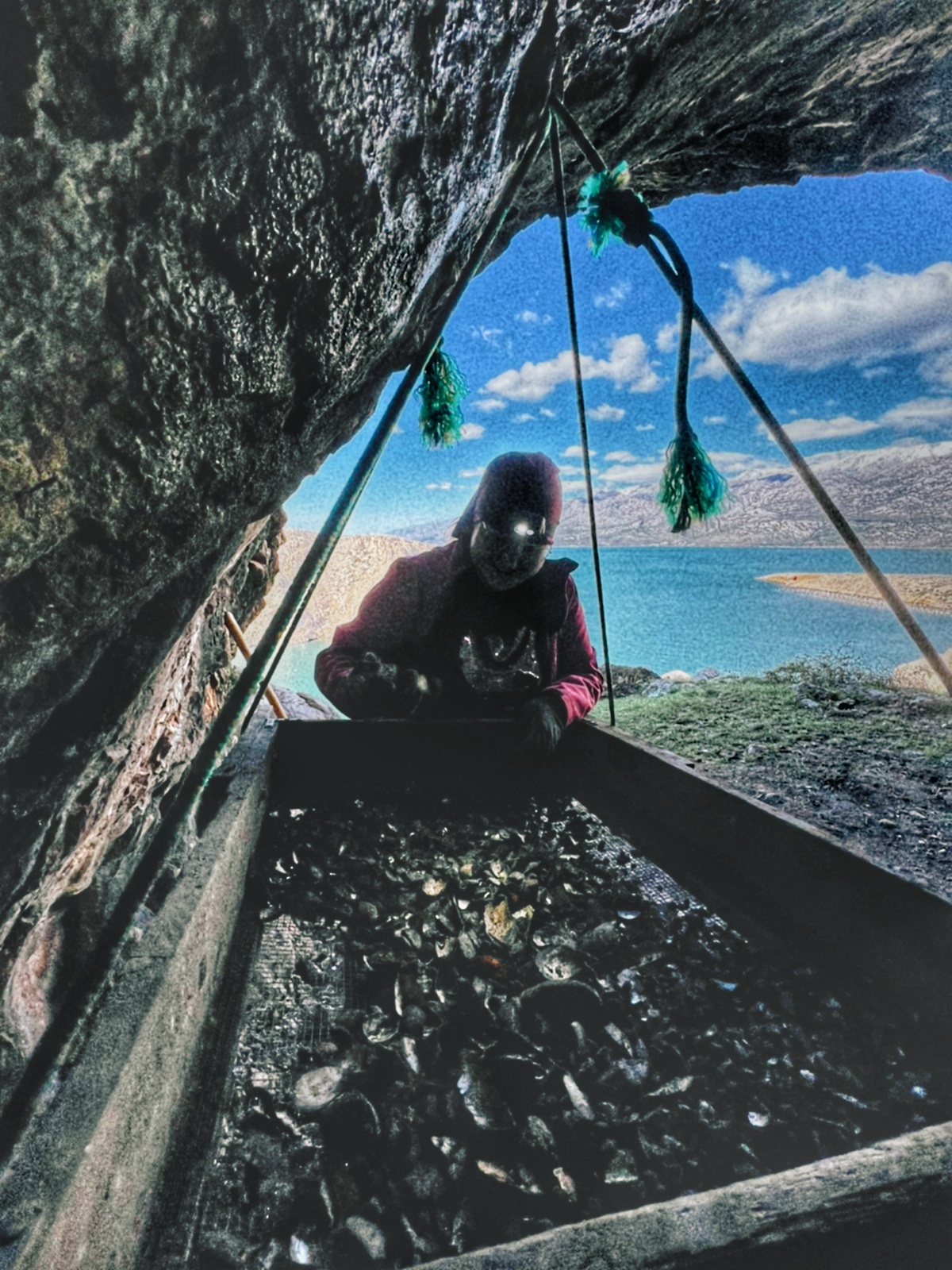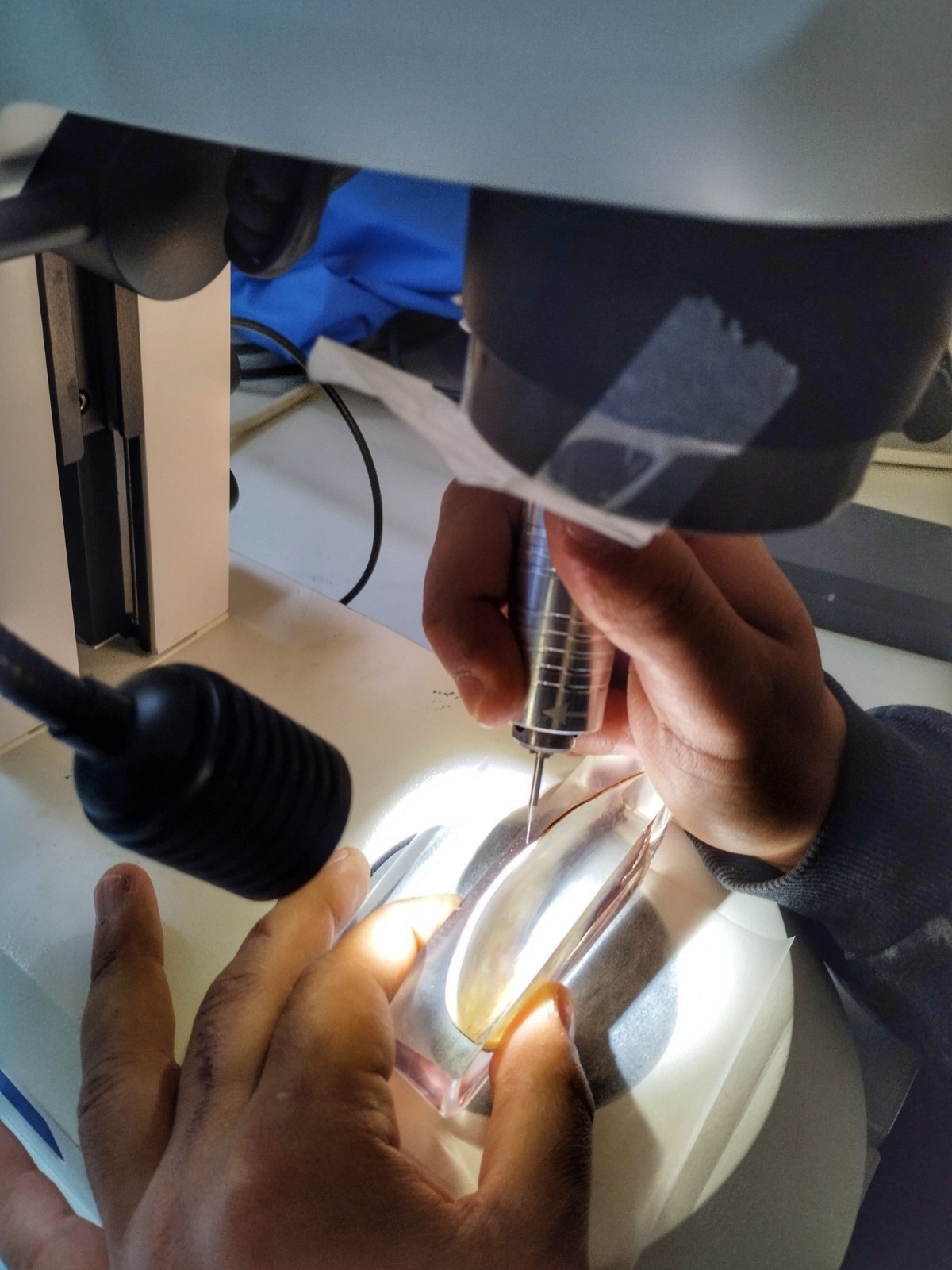
Several thousand years ago, someone on the Adriatic coast ate a mussel, leaving behind a shell that preserved a record of the world in which they lived.
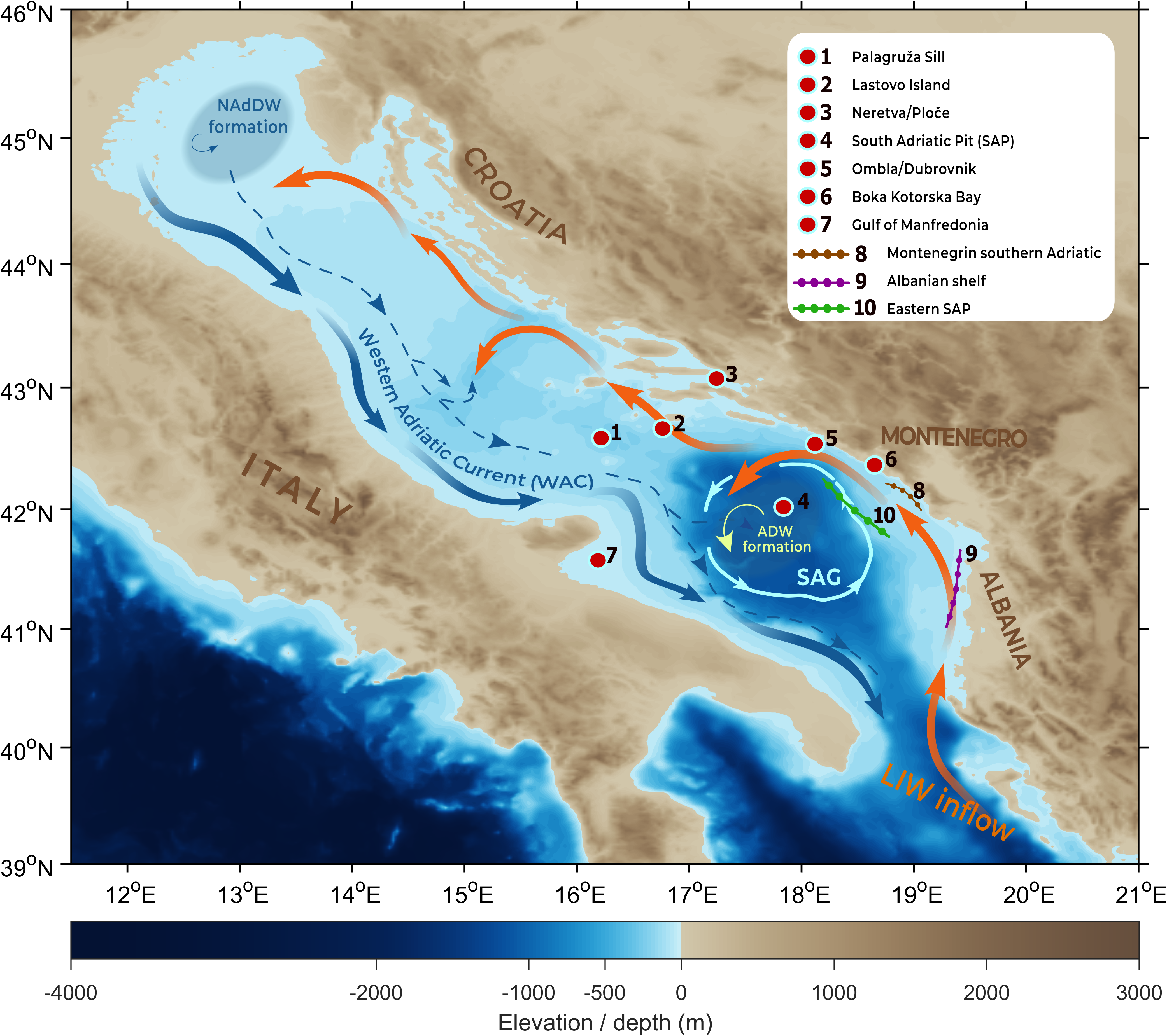
Evidence of this can be found in the numerous bivalve shells recovered from archaeological sites along the coast. One particularly valuable site is Ždrilo Cave, near Rovanjska in northern Dalmatia, where archaeologists discovered large quantities of well-preserved mussel and oyster shells dating back to the Neolithic period.
Scientists examined these shells to reconstruct past marine environmental conditions and gain a better understanding of the Neolithic community that used the cave. By analysing their chemical composition, the researchers discovered that mussels were harvested during different seasons, providing new insights into the way of life of our distant ancestors.
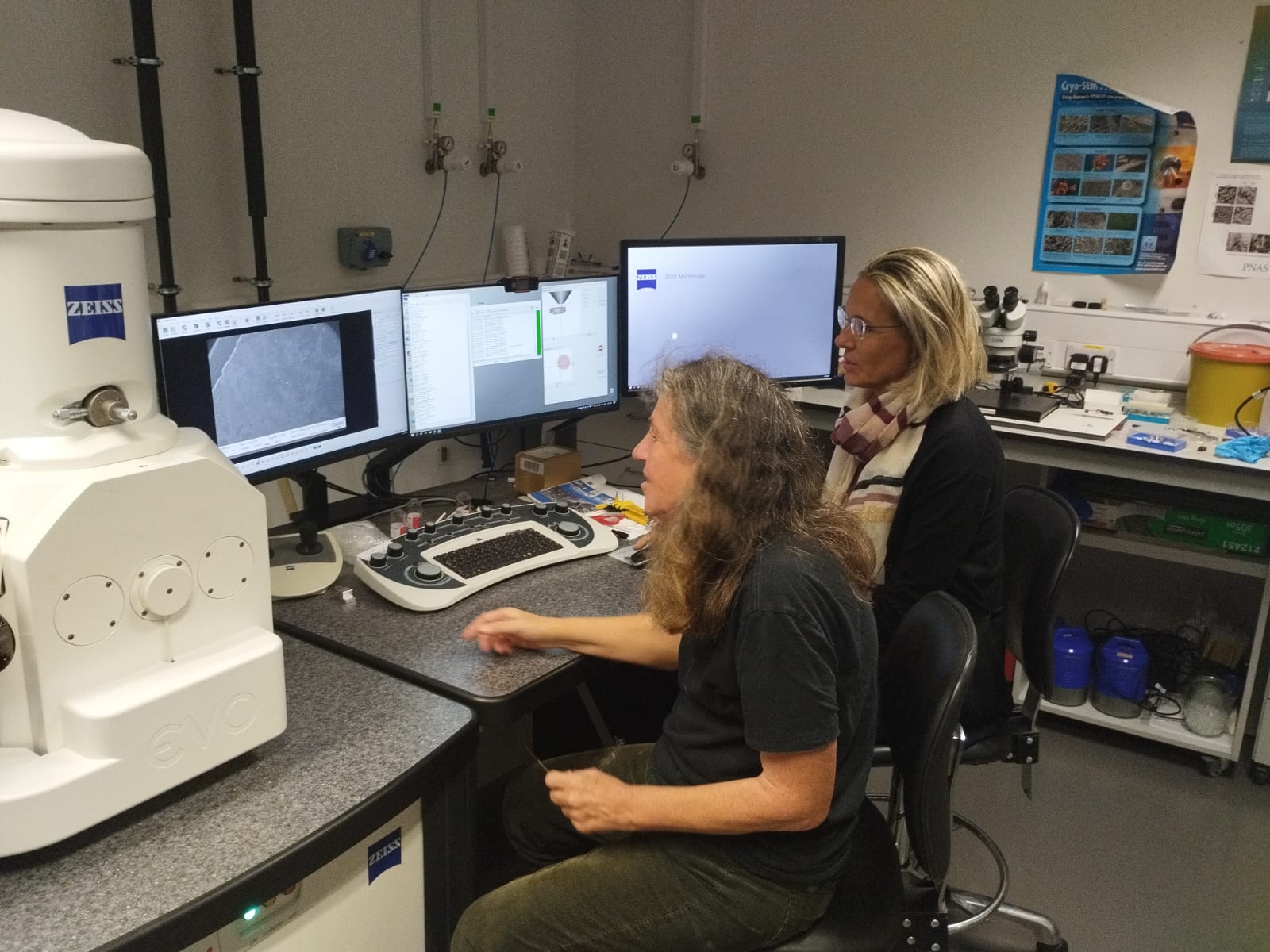
The researchers first assessed the state of preservation of the ancient shells. Using scanning electron microscopy, they compared their microstructure with that of modern mussel shells, while additional analyses assessed mineral preservation and organic matter content. A relatively high proportion of the recovered shells belonged to large mussels, including specimens exceeding 9 cm in length. The largest specimen measured 10.1 cm, whereas mussels larger than 8 cm are relatively rare in the Adriatic Sea today.
The analyses also revealed that the mussels grew in a marine environment strongly influenced by freshwater inputs. These findings provide valuable information on past environmental conditions along the coast of northern Dalmatia. The results are consistent with previous studies indicating that the Adriatic region experienced periods of wetter climatic conditions, increased freshwater inputs and lower seawater salinity during the Early and Middle Holocene.
The findings have been published in the scientific journal Journal of Archaeological Science: Reports.
The study is the result of collaboration between scientists from the Institute of Oceanography and Fisheries, archaeologists from the University of Zadar, and international collaborators. The scientific analyses were conducted within the BivalveSPEECH project (HRZZ-IP-2024-05-2190), led by Dr Melita Peharda from the Institute of Oceanography and Fisheries and funded by the Croatian Science Foundation.
The archaeological excavations at Ždrilo Cave, led by Dr Mario Bodružić, were carried out within the PraDalmacija project (IP-UNIZD2025-28070), led by Professor Dario Vujević from the University of Zadar and funded by the European Union – NextGenerationEU, through the National Recovery and Resilience Plan 2021–2026.
Studying the past is important not only for understanding what the marine environment was once like. By comparing ancient shells with those of modern bivalves, scientists aim to better understand how changes in temperature and salinity affect their growth. Such knowledge can contribute to understanding the impacts of climate change and inform the future management of shellfish aquaculture. For this reason, our scientists will continue to explore what ancient shells can reveal through the BivalveSPEECH project.