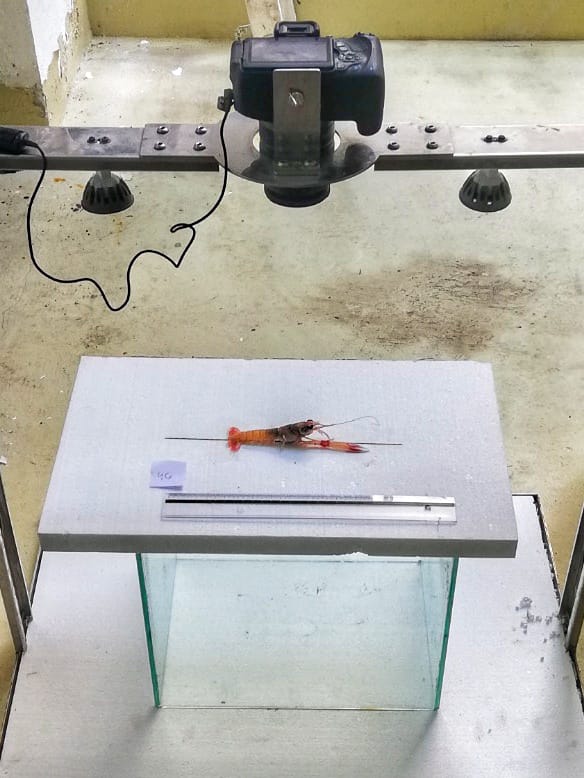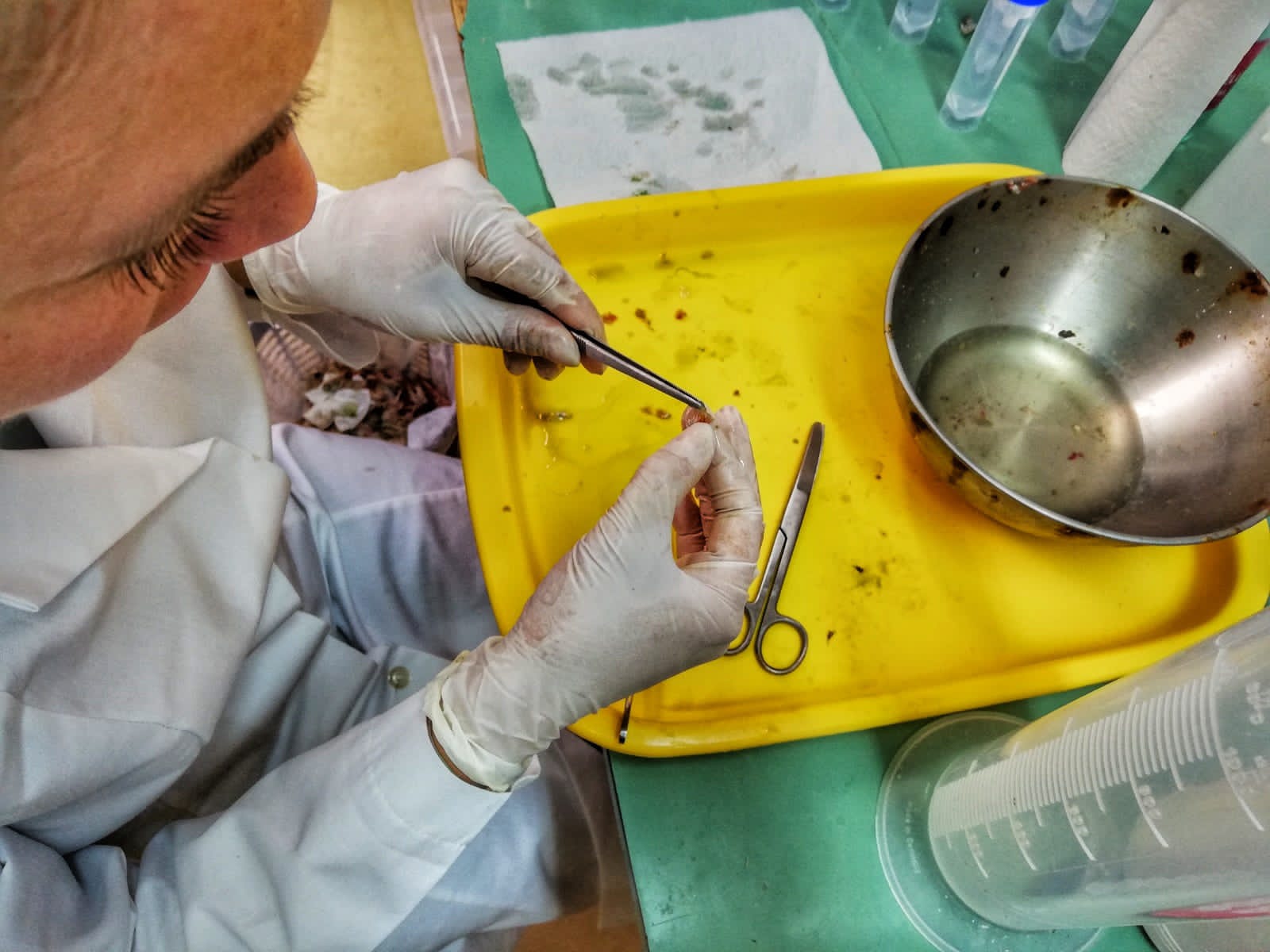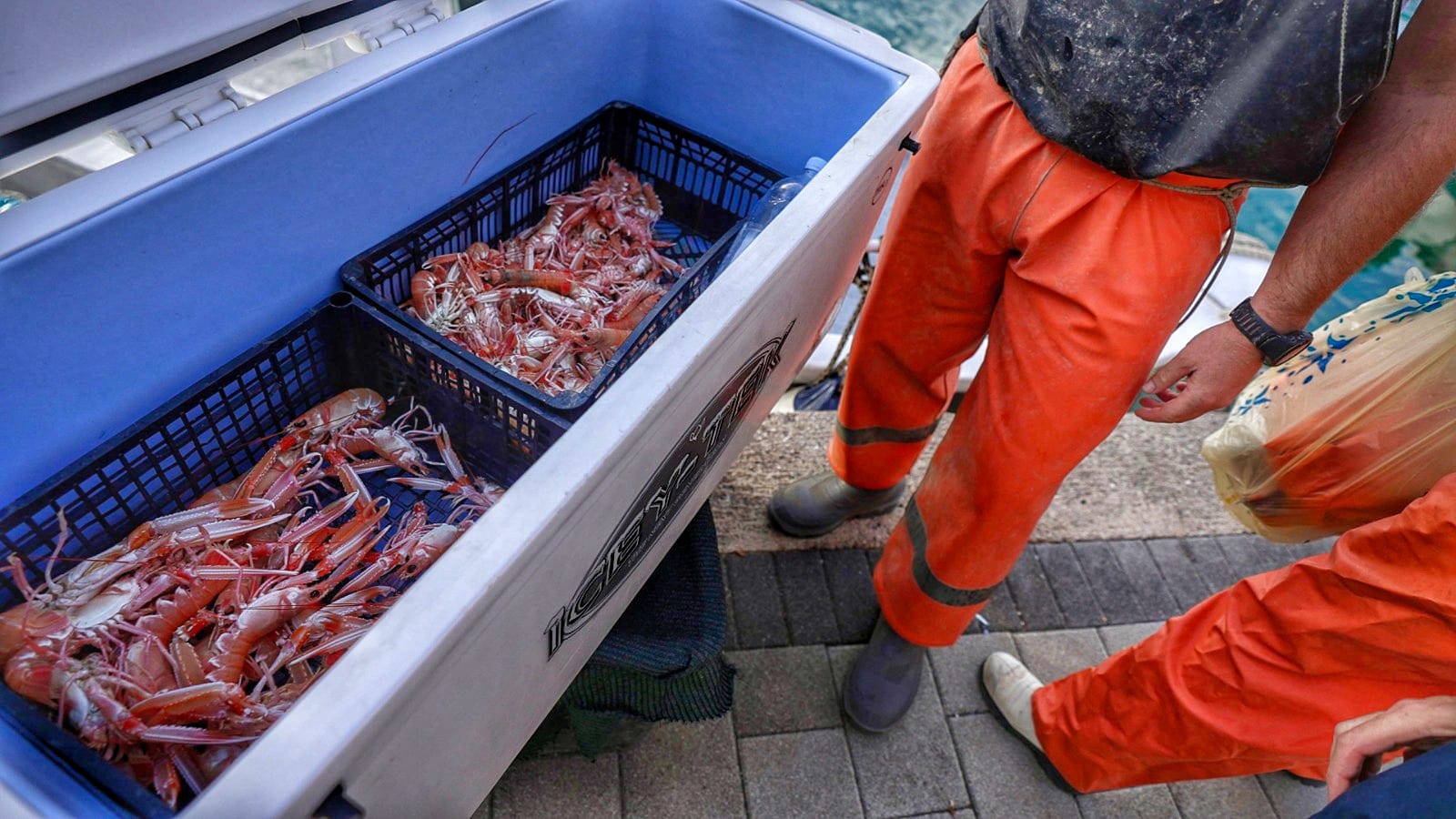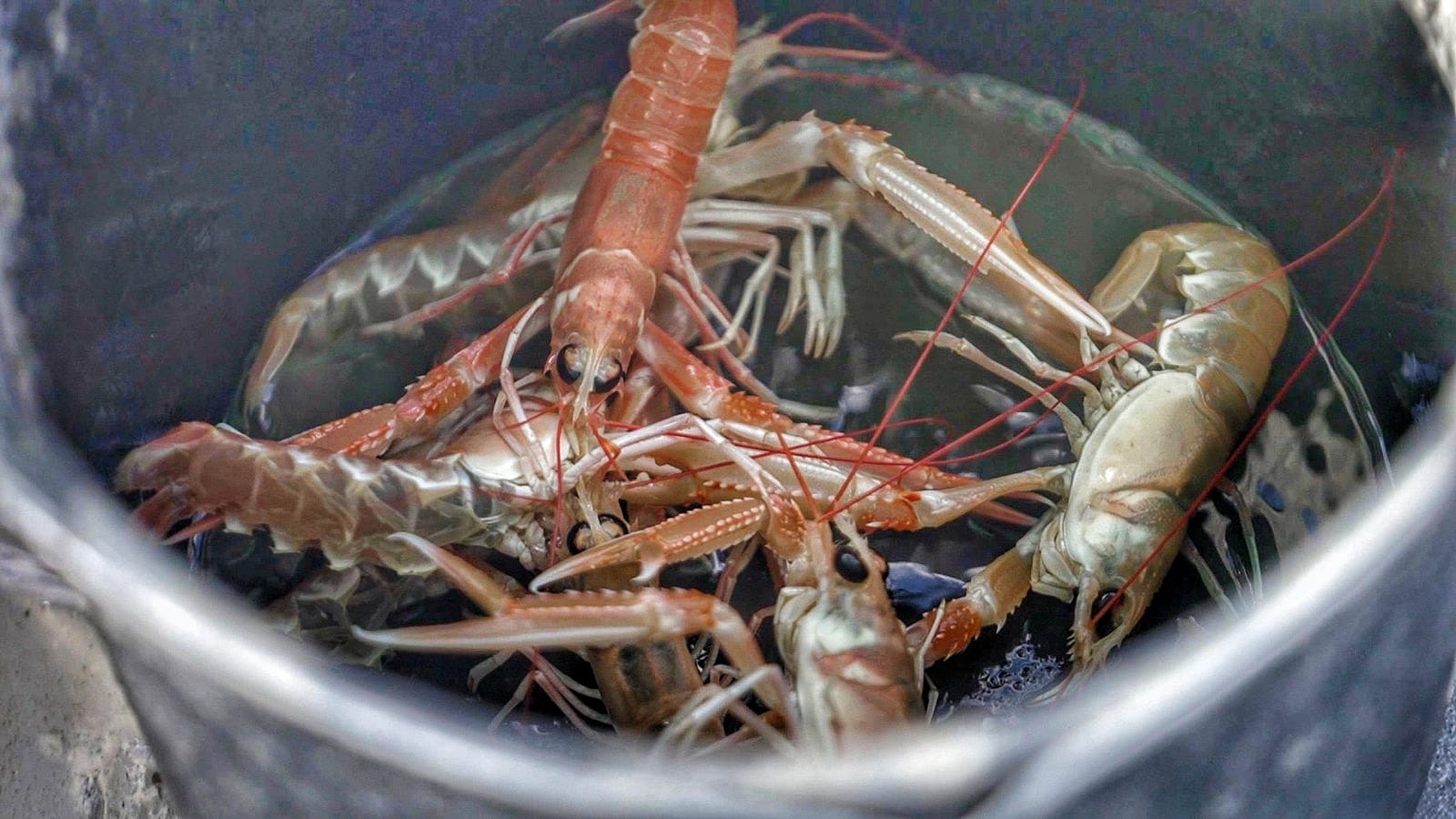
After scientists from the Institute described the genetic diversity of the Norway lobster (Nephrops norvegicus) in the Adriatic Sea in 2024, a new study published in the journal Estuarine, Coastal and Shelf Science presents the first detailed overview of morphological differences among populations of this important commercial species.
The study revealed differences in the shape of the so-called gastric tooth, which the lobster uses to grind food, as well as in body structure. Northern populations have a narrower midsection and a larger front part of the body, especially in smaller individuals, while southern populations have a wider midsection and a smaller front part. These differences indicate adaptations to local conditions such as depth, temperature, and food availability in different parts of the sea.
Using advanced geometric morphometrics, scientists for the first time demonstrated differences between males and females. Lobsters of different sexes differ not only in size and growth rate, which was already known, but also in the shape of parts of the exoskeleton.
Males have a longer central carapace, while females develop a larger front part of the head. Additionally, females show greater shape variability, especially in the northern Adriatic channels, most prominently in the Velebit Channel. In all populations, males are generally larger, but the size difference between sexes decreases in bigger individuals, which deviates from the biological pattern known as Rensch’s rule.
These findings show that differences among populations are the result not only of natural environmental conditions but also of human impacts such as fishing, which often selectively removes larger individuals, especially males that expose themselves more while foraging and seeking mates.
Together with previous findings on genetic structure, this research further confirms that lobsters from the open sea and northern channels form distinct morphological and functional units, and that future fisheries management strategies must take these differences in body structure into account.
This research was funded through the projects “Transforming small-scale fisheries in the Mediterranean” (WWF Adria), EpoMariNet (IP-2022-10-7232, Croatian Science Foundation), and SustainAqua (funded by the Next Generation EU – National Recovery and Resilience Plan 2021–2026).