Project Tethys4Adrion
PROGRAMME:
INTERREG (Interreg VI-A) Italy – Croatia
NAME OF THE PROJECT:
Enhancing cross-border cooperation in reducing the amount and impact of plastic waste in the rivers of the Adriatic and Ionian seas
PROGRAMME PRIORITY:
Supporting a greener and climate resilient Adriatic – Ionian region
AKRONyM:
Tethys4Adrion
DURATION:
01/09/2024 – 31/08/2027
TOTAL BUDGET:
1.690.192,10 €
Enhancing cross-border cooperation in reducing the amount and impact of plastic waste in the rivers of the Adriatic and Ionian seas
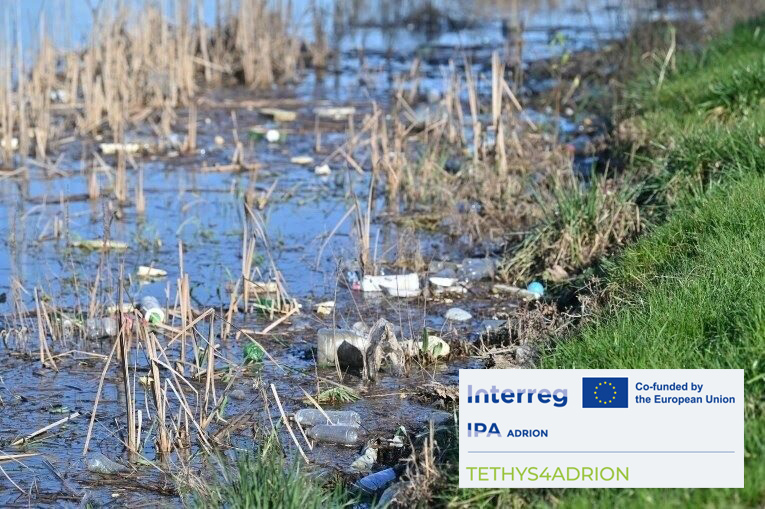
Plastic pollution is a major threat to Mediterranean biodiversity, with the Adriatic-Ionian region being a hotspot. Rivers constitute an important pathway of litter to the marine environment in the Mediterranean Sea, with an estimated 40-50% coming from land-based sources. Rivers may also play the role of storage areas for plastic pollution. Factors like hydrological processes and features of the river catchment area, such as land use, vegetation, and river shape, influence the dynamics of plastic mobilization and transport to the sea or retention. Thus, there is a need to investigate riverine contribution to sea plastic pollution and to define and apply mitigation measures targeting these inputs.
While detailed data on litter from rivers to the Adriatic and Ionian Seas is lacking, past research has identified key rivers contributing to marine litter. The Adriatic-Ionian region is a semi-enclosed area facing significant anthropogenic pressure from intensive agriculture, intense urbanization, and industrial activities. This heightened human impact makes the region highly susceptible to riverine pollution. Various sources contribute to the influx of riverine litter, including direct deposition on river banks, illegal dumping, inadequate waste management, discharge from boats, runoff from urban and rural areas, sewage water, and wastewater from treatment plants. Additionally, areas with high urban and recreational activities contribute to this issue.
TETHYS4ADRION addresses the critical link between rivers and seas in combating plastic pollution. The project aims to harmonize monitoring protocols for riverine litter, bringing together stakeholders to enhance cross-border cooperation and reduce the impact of litter on marine environments and biodiversity. It focuses on the Adriatic-Ionian region, fostering a community of experts to ensure the sustainability of results after the project ends.
The project’s comprehensive approach seeks to improve river health and ecosystems, offering solutions for reducing plastic pollution. It facilitates collaboration between the four Regional Seas and the European Commission, with a focus on the Barcelona Convention framework and the IMAP process. Key objectives include harmonizing protocols, improving waste management infrastructure, and proposing best practices for mitigating pollution, such as efficient waste collection systems along rivers.
Community engagement is central to the project’s success. Awareness campaigns, workshops, and educational programs will involve local communities, schools, businesses, and volunteers in activities like cleanups and river restoration. This will foster a sense of responsibility and long-term sustainability. Advocacy for stronger policies and legislation to prevent riverine litter is also a priority. The project will work with governments to implement laws that regulate waste discharge and encourage recycling. Monitoring in pilot areas will provide data to understand pollution sources and assess the effectiveness of mitigation strategies. Through partnerships with government agencies, NGOs, and businesses, TETHYS4ADRION aims to create healthier river ecosystems, protect biodiversity, ensure clean water, and promote sustainable development in the region.
OBJECTIVES AND OUTPUTS:
Project overall objective:
The project aims to prevent plastic litter accumulation in rivers and reduce its impact on the Adriatic and Ionian Seas to protect regional biodiversity. Key outcomes include a better understanding of litter dynamics from rivers to the marine environment, identifying pollution sources, and developing harmonized monitoring approaches, removal methods, and policy instruments. The project will support policymakers, strengthen institutional capacities, and facilitate cross-border river management.
Project outputs:
• Definition of an Action Plan through the Regional Roadmap for a joint strategy towards zero plastics released at Sea in the Adriatic-Ionian region
• Establishment of a regional group of experts on riverine litter in the Adriatic-Ionian region
• Harmonized implementation of jointly adopted guidelines for riverine litter monitoring in pilot areas in the Adriatic-Ionian region
• Blueprint on how to operationalize best practice solutions to address riverine plastic litter
Project partners

LEADING partner
National Institute of Chemistry, Slovenia
partner
Institute of Oceanography and Fisheries, Croatia
Šetalište I. Meštrovića 63, 21000 Split
www.izor.hr
partner
University of Tirana, Albania
partner
ISPRA-Italian Institute for Environmental Protection and Research, Italy
partner
Mediterranean Information Office for Environment, Culture and Sustainable Development, Greece
partner
Hellenic Centre for Marine Research, Greece
partner
Institute of marine biology, University of Montenegro, Montenegro
partner
Institute for Water of the Republic of Slovenia, Slovenia

partner
City of Metković, Croatia
partner
City of Čapljina, Bosnia and Hercegovina
ASSOCIATED partner
Hellenic Ministry of the Environment and Energy, Greece

ASSOCIATED partner
The Posoški Development Center, Slovenia
ASSOCIATED partner
Aegean Rebreath, Greece
ASSOCIATED partner
Ministry of the Environment, Climate and Energy, Slovenian Environment Agency, Slovenia
ASSOCIATED partner
Soške elektrarne Nova Gorica d.o.o., Slovenia

ASSOCIATED partner
The River Po Basin District Authority, Italy
ASSOCIATED partner
Croatian Waters, Croatia
ASSOCIATED partner
United Nation Environment Programme /Mediterranean Action Plan (UNEP/MAP)
ASSOCIATED partner
Slovenian Water Agency, Slovenia
Contact:
News:
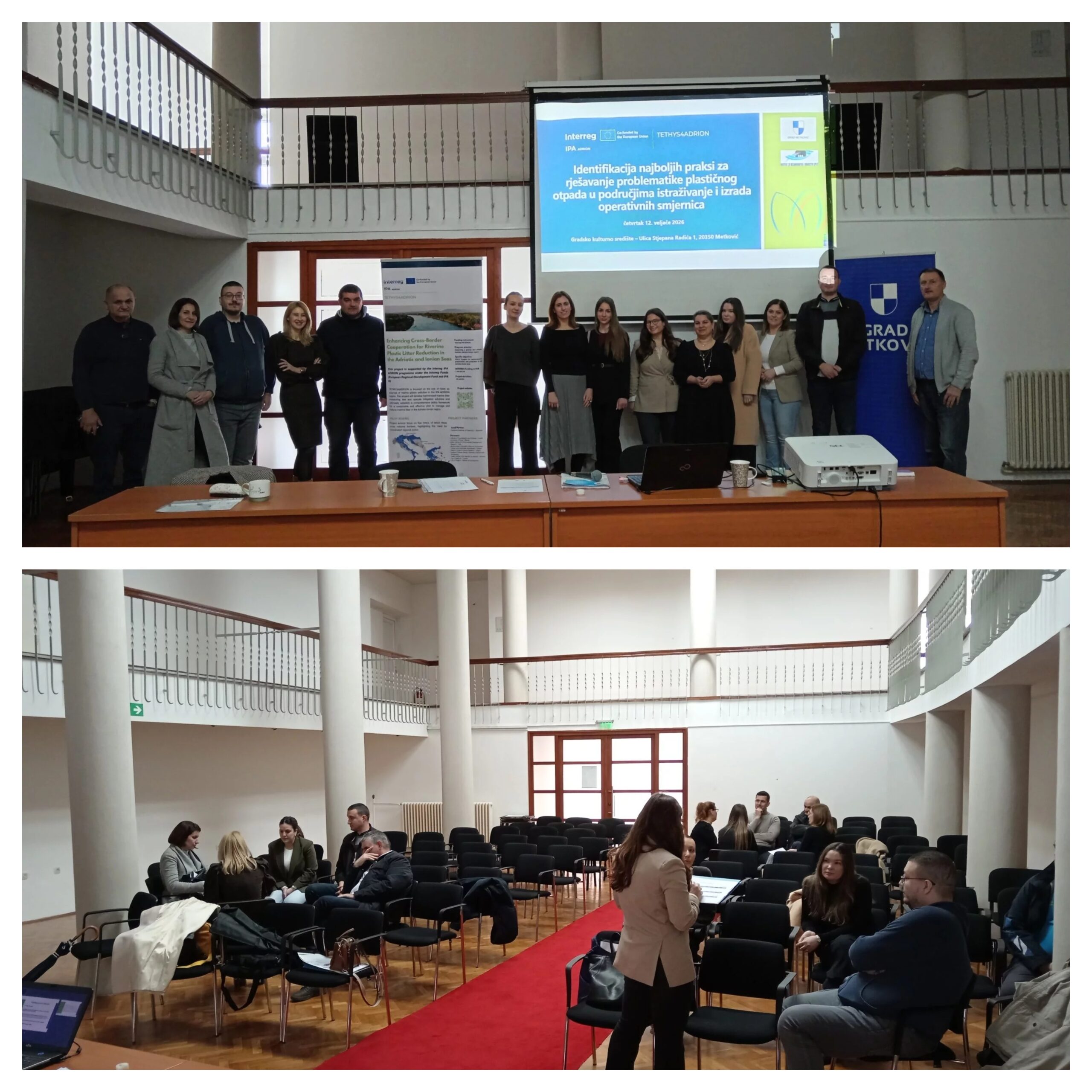
Workshop on Measures to Reduce Plastic Waste on the Neretva
On 12 February 2026, a workshop titled “Applying Good Practices and Measures to Prevent Plastic Waste” was held in Metković with local authorities, NGOs, utility companies, and other stakeholders. IOR experts and representatives of the City of Metković presented project activities, Neretva monitoring results, and potential waste reduction measures. Proposed measures included plastic-free events, collaboration with riverside businesses to reduce plastic input, a pilot floating barrier for waste collection, improved management of agricultural plastic waste, and educational river cleanup programs. Participants prioritized measures using a structured scoring matrix based on effectiveness, feasibility, and social acceptance. Read more at this link.
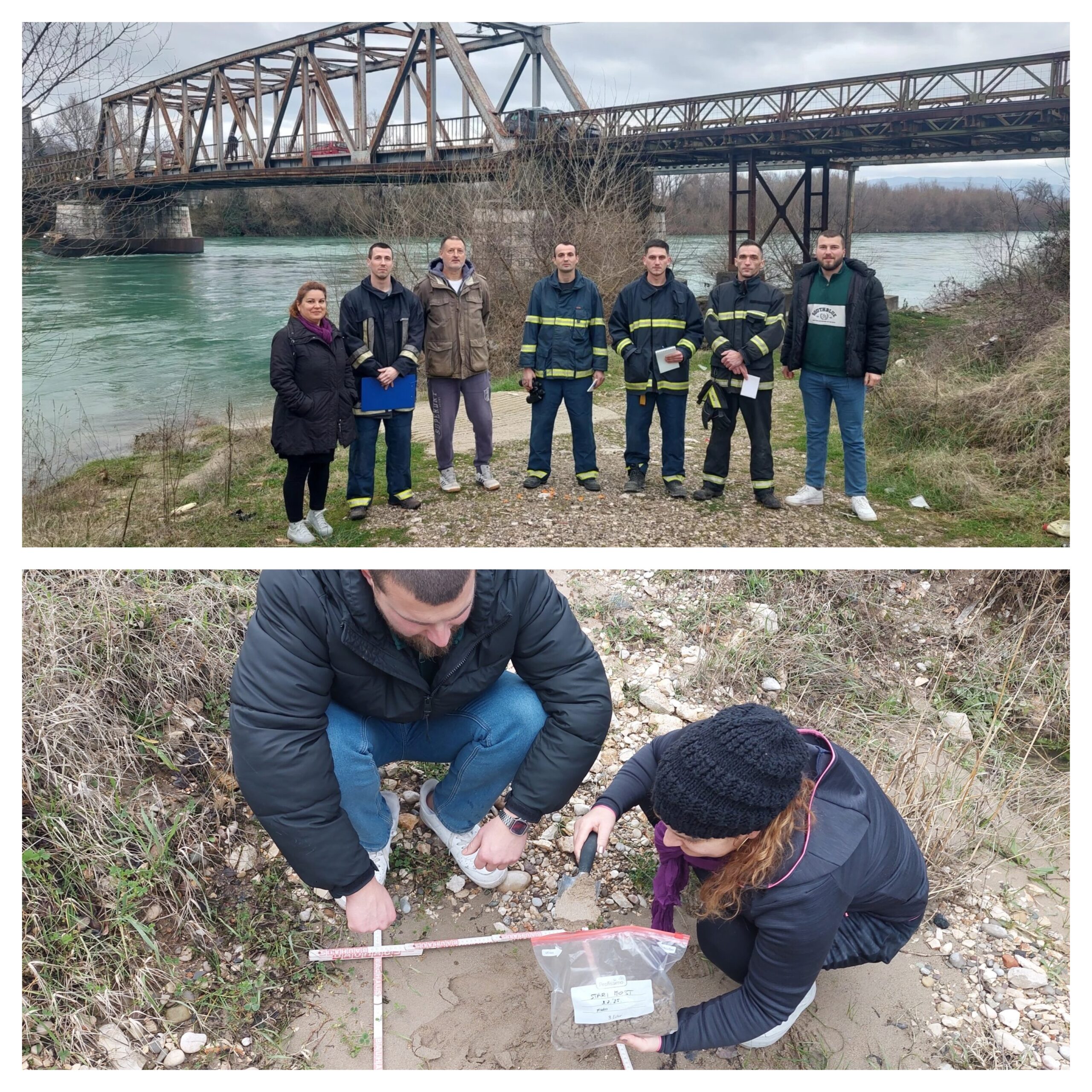
First Riverine Litter Monitoring on Neretva river
From 2–4 February 2026, the first seasonal monitoring of riverine waste on the Neretva in Croatia and Bosnia and Herzegovina was carried out. Monitoring covered bridges in Metković, Čapljina, and Žitomislići, as well as river mouths and shores in Krvavac, Čapljina, and Ševaš Njive. Data on macro-, meso-, and microplastics were collected from the river surface, sediment, and banks, following EU protocols. The study, conducted after heavy rainfall, revealed significant amounts of plastic, including bags, films, and agricultural waste. These data will inform targeted waste removal and prevention measures. Read more at this link.
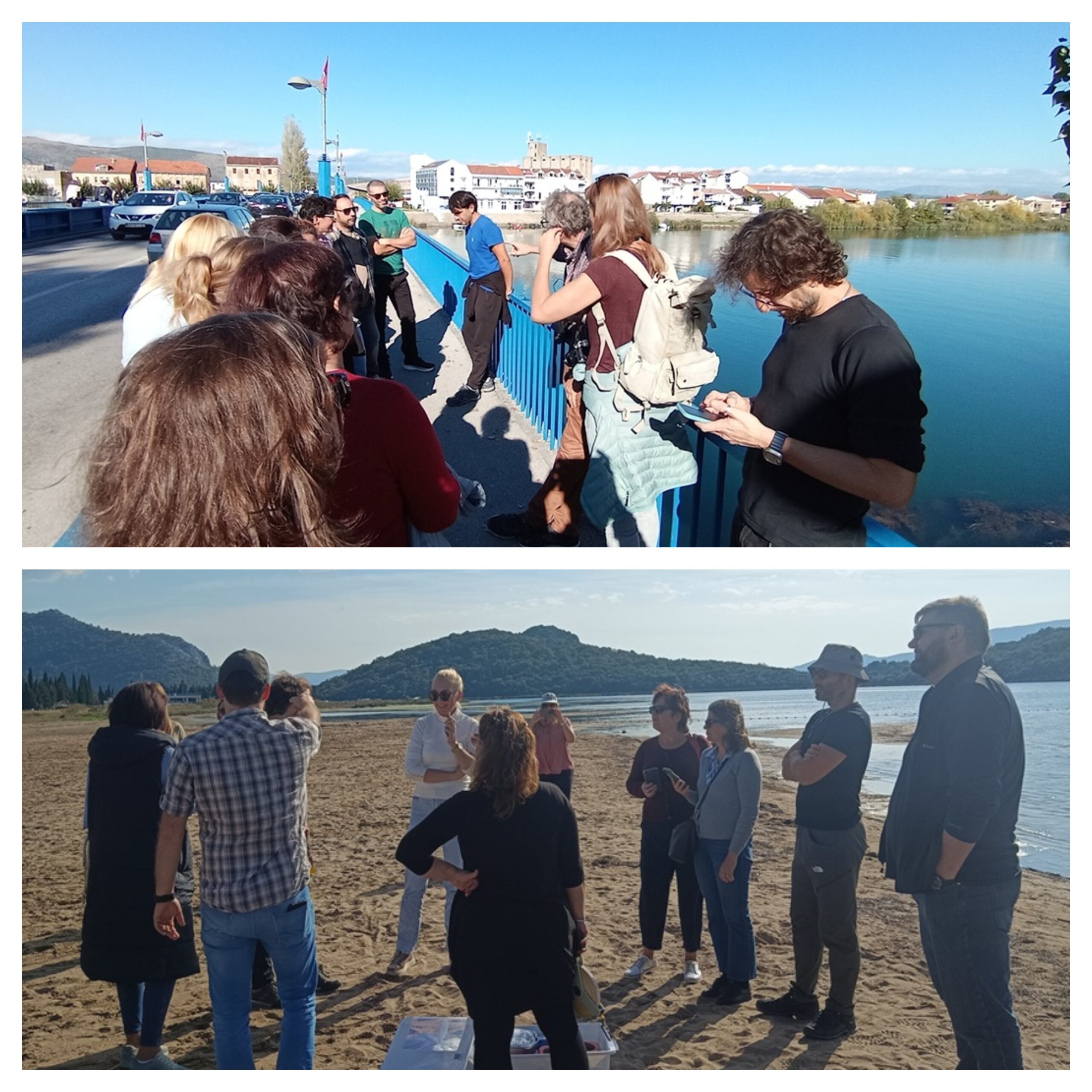
Capacity Building Event
From 14–17 October 2025, project partner meetings were held in Metković. The first two days included a Capacity Building Workshop to define methodological guidelines for monitoring riverine waste in the five pilot rivers. Participants tested floating debris and microplastic monitoring methodologies at the Metković bridge and conducted coastal and sediment monitoring at the Neretva estuary near Opuzen. The third and fourth days were dedicated to the Project Board meeting to review results and plan future activities. Read more at this link.
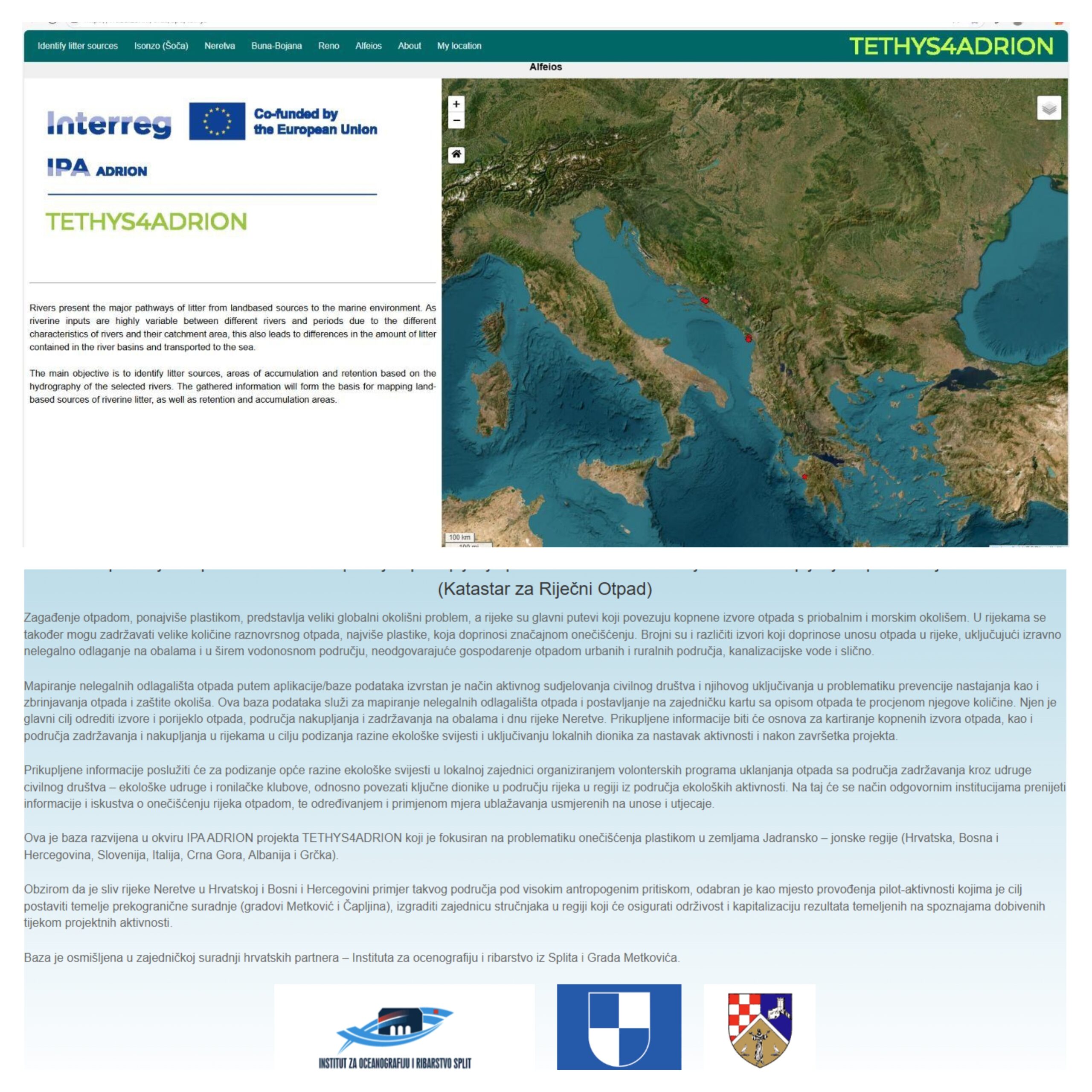
Riverine Litter Database
A comprehensive database on riverine waste was created for five pilot areas: Isonzo, Neretva, Buna-Bojana, Reno, and Alfeios. It contains information on waste types, sources, and accumulation areas, supporting the selection of future monitoring sites and targeted waste removal measures. Access the database here.
An online Riverine Waste Registry for the Neretva River was also developed to map waste accumulation on shores and riverbeds, assisting local stakeholders in more efficient pollution management. Access the database here.
Stakeholder Meeting in Metković
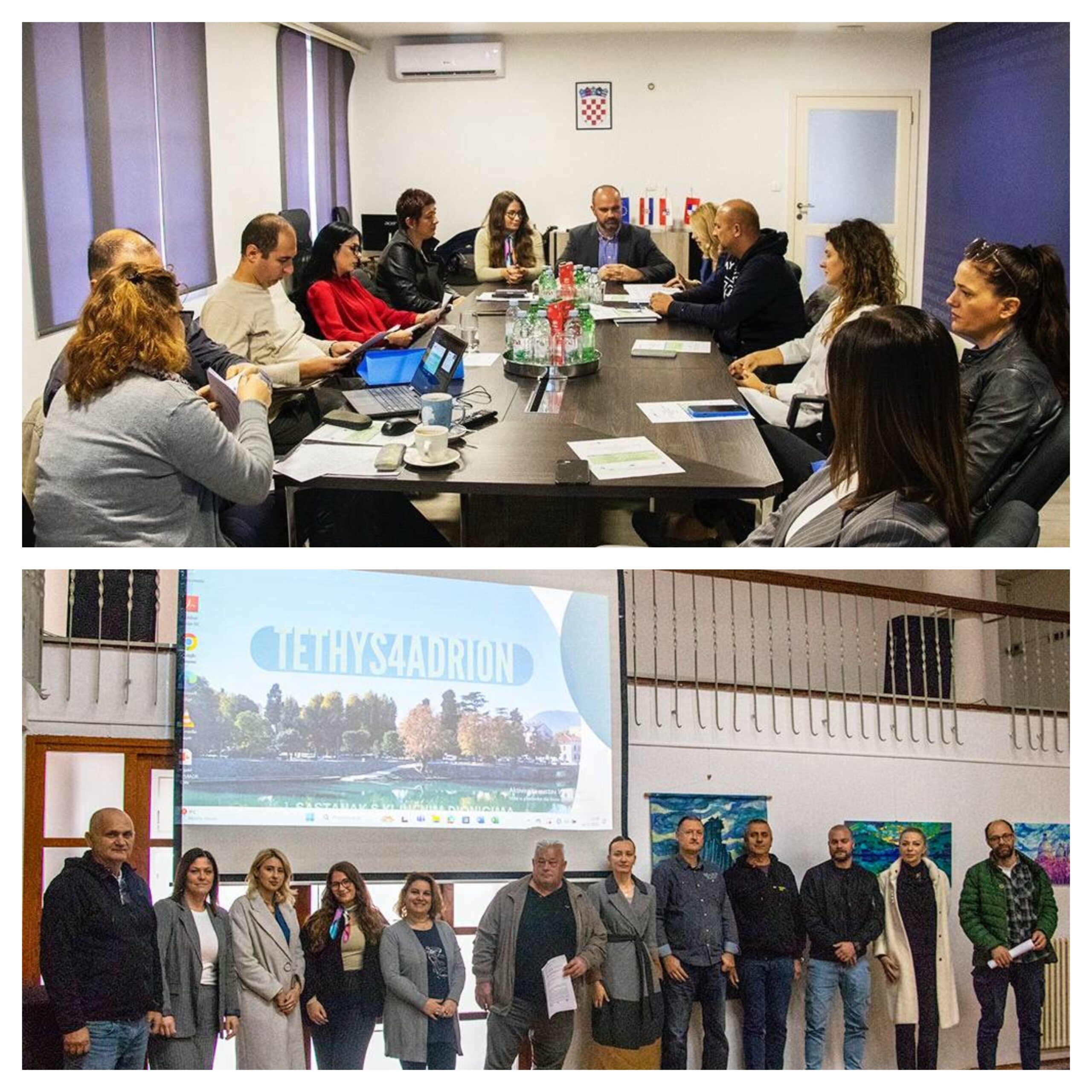
On 15 November 2024, a working meeting was held in Metković with local authorities from the Neretva Valley and municipal utility companies Čistoća Metković, Čistoća Opuzen, and Komunalac Slivno. The meeting opened with speeches by Metković Mayor Dalibor Milan and project coordinator Lara Šiljeg, followed by presentations of the project and planned activities by Dr. Pero Tutman and Dr. Dubravka Bojanić Varezić from the Institute of Oceanography and Fisheries. A separate session included NGOs involved in project activities. Read more at this link.
Project Kick-off Meeting
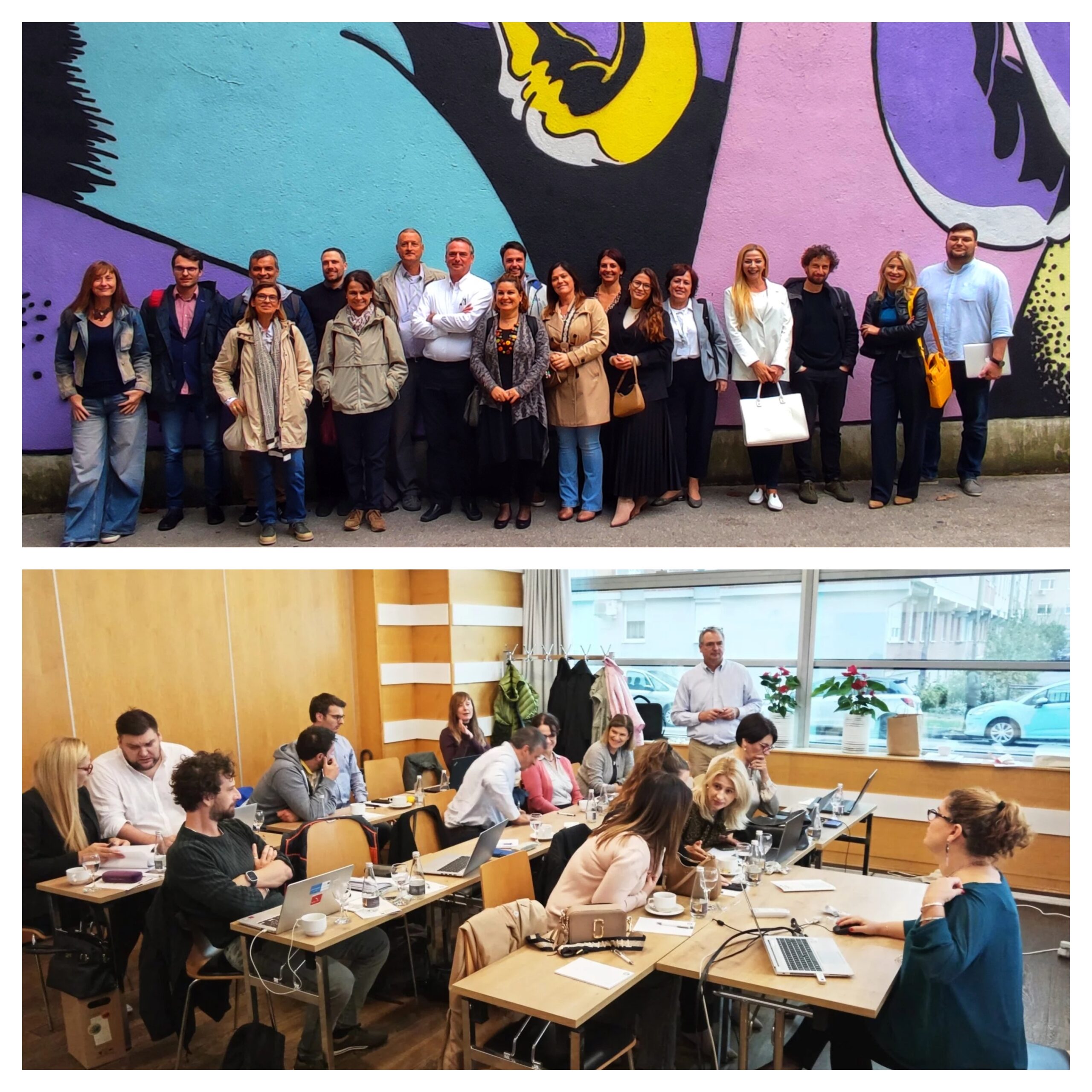
The TETHYS4ADRION project started in September 2024 under the INTERREG IPA ADRION program. Its goal is to strengthen cross-border cooperation in reducing plastic waste entering the Adriatic and Ionian Seas via rivers. The project’s kick-off meeting, attended by all partners, was held on 16–17 October 2024 in Ljubljana, Slovenia. Partners presented planned activities, objectives, and the project timeline, and agreed on the next steps for collaborative efforts to reduce riverine plastic pollution in the region. Read more at this link.