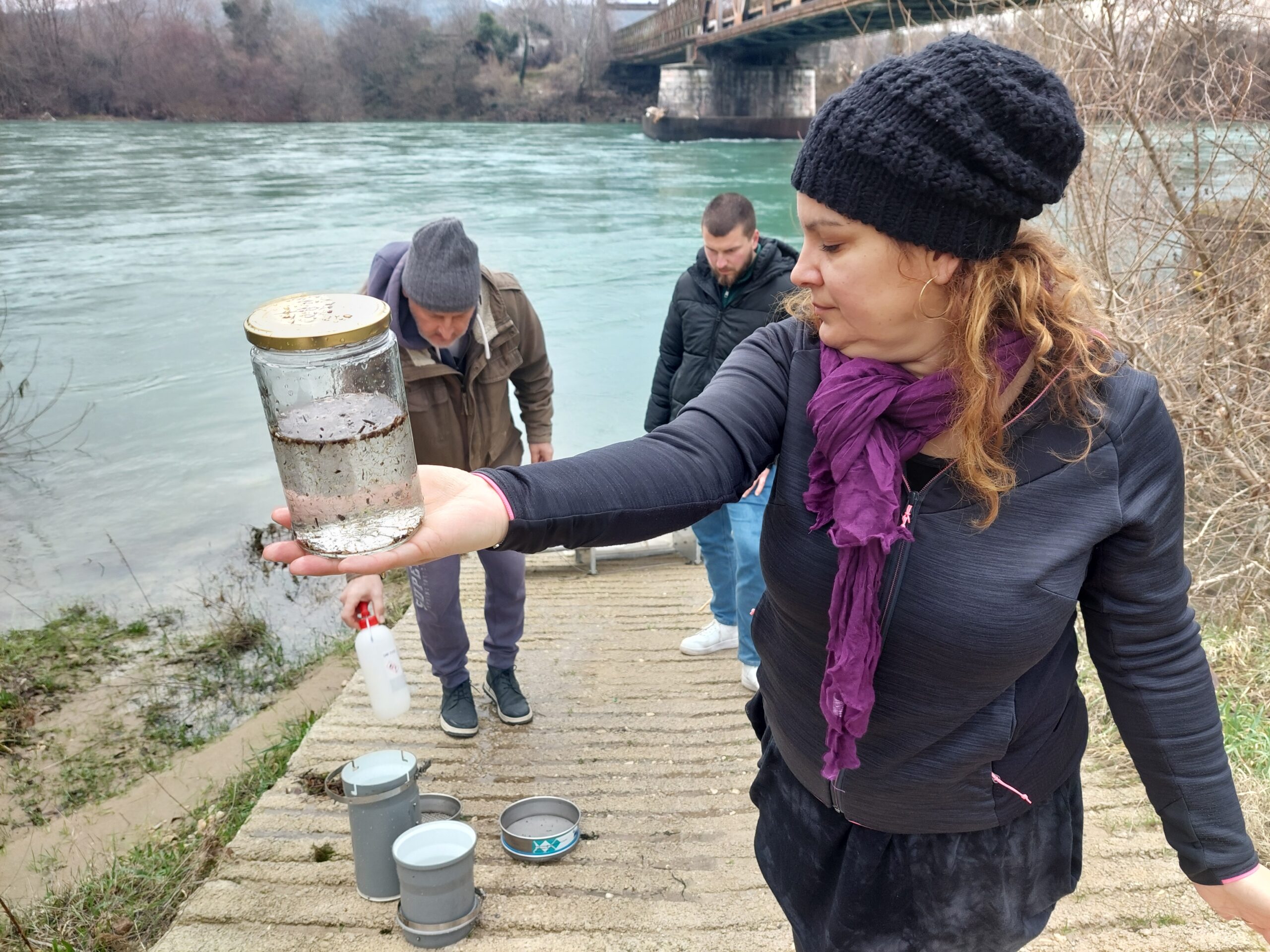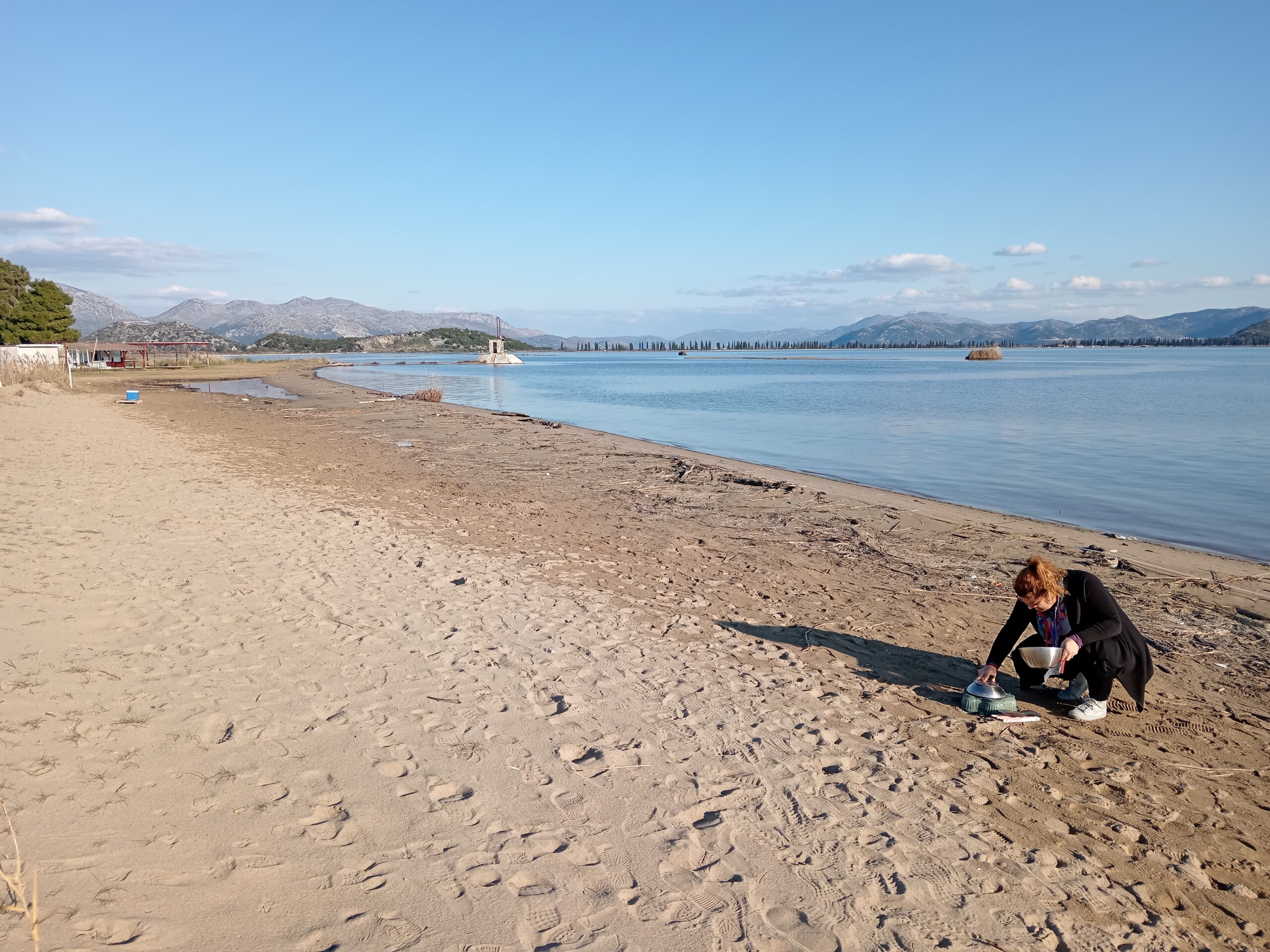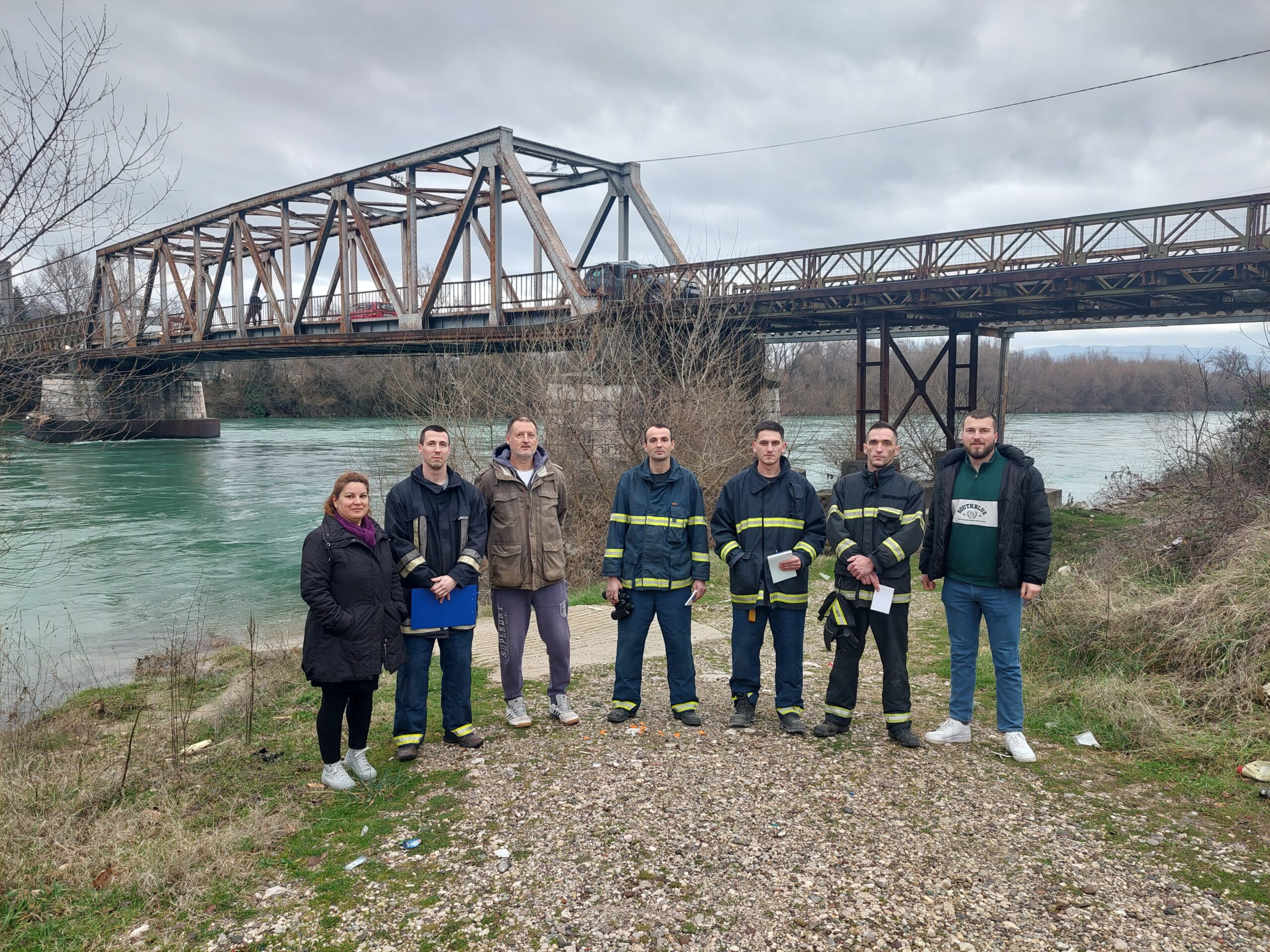
As part of the planned activities within the TETHYS4ADRION project, from 2 to 4 February 2026, project partners from the Institute of Oceanography and Fisheries (Split), the City of Čapljina and the City of Metković conducted the first of four planned seasonal surveys (monitoring campaigns) of the composition and quantities of riverine litter in the Neretva River in Croatia and Bosnia and Herzegovina.
The Neretva River is one of five pilot areas within the project where litter monitoring is carried out according to a jointly coordinated protocol. In addition to the Neretva, the pilot rivers include the Soča River in Slovenia and Italy, the Reno River in Italy, the Bojana/Buna River in Montenegro and Albania, and the Alfeios River in Greece.
The research was conducted under the leadership of scientists from the Institute of Oceanography and Fisheries, Dr Pero Tutman and Dr Dubravka Bojanić Varezić, in cooperation with Mr Marinko Dalmatin from the City of Čapljina and Ms Lara Šiljeg and Ms Ana-Marija Prović from the City of Čapljina as project partners. Part of the activities in Čapljina was carried out with the support of firefighters and members of the Professional Firefighting Unit of the City of Čapljina.
This is the first time that monitoring of litter quantities and composition in rivers in Croatia has been carried out according to a harmonised monitoring protocol. In accordance with project requirements, the monitoring was conducted following a protocol aligned with relevant EU standards and jointly agreed upon by all project partners.
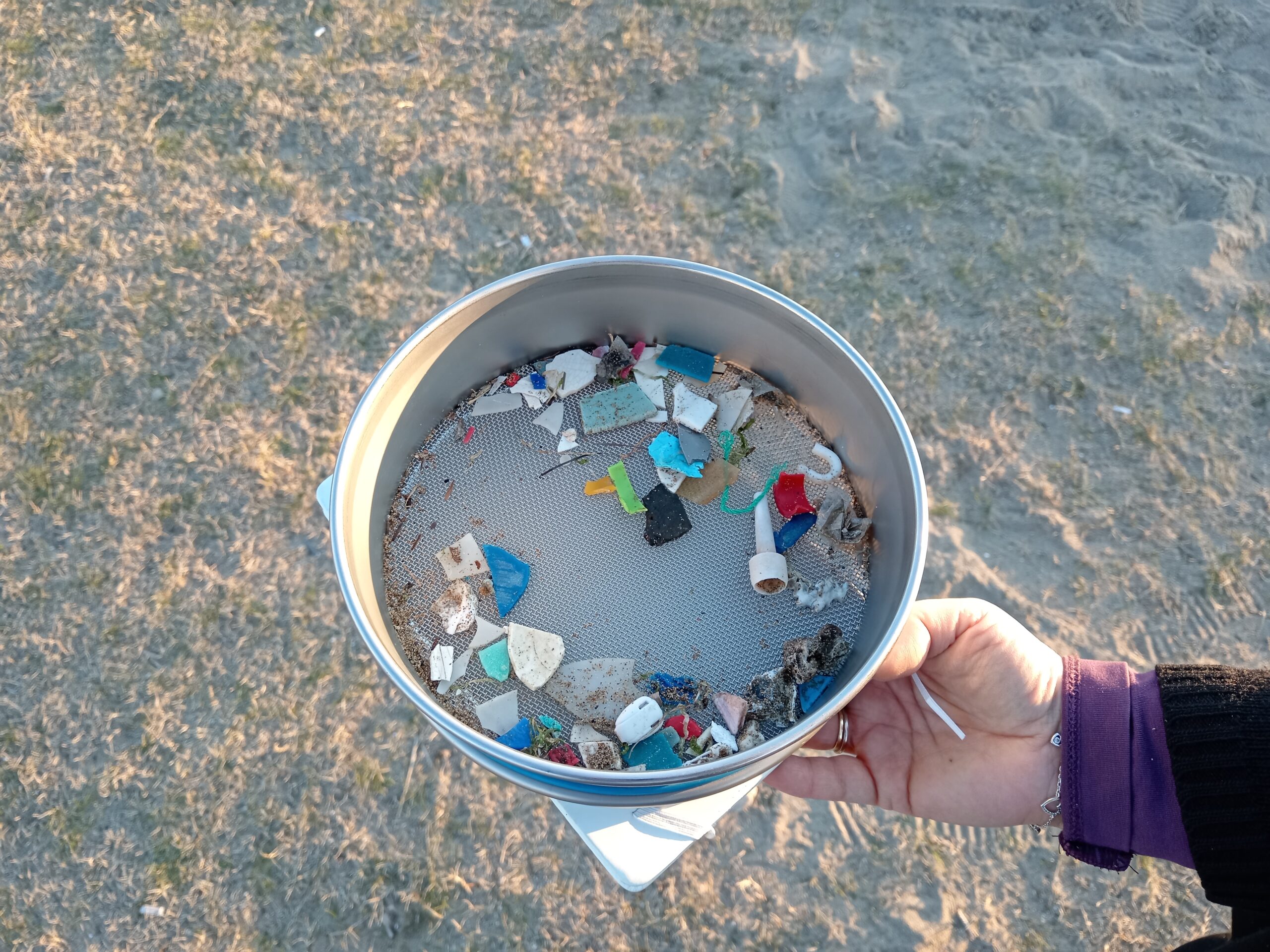
Monitoring of riverine litter included the following categories: composition and quantities of macro litter (items larger than 5 cm) accumulated on riverbanks and floating on the water surface; monitoring of meso litter (items between 5 mm and 5 cm) on riverbanks and on the water surface; and monitoring of microplastics (particles smaller than 5 mm) in sandy riverbank sediment and on the water surface. After collection, samples were transported to the Institute’s laboratory in Split for further analysis.
The Neretva River pilot area includes multiple locations: from the river mouth, the settlement of Krvavac and the bridge in Metković in Croatia, to the bridges in Čapljina and Žitomislići, as well as riverbanks in Ševaš Njive and in Čapljina in Bosnia and Herzegovina.
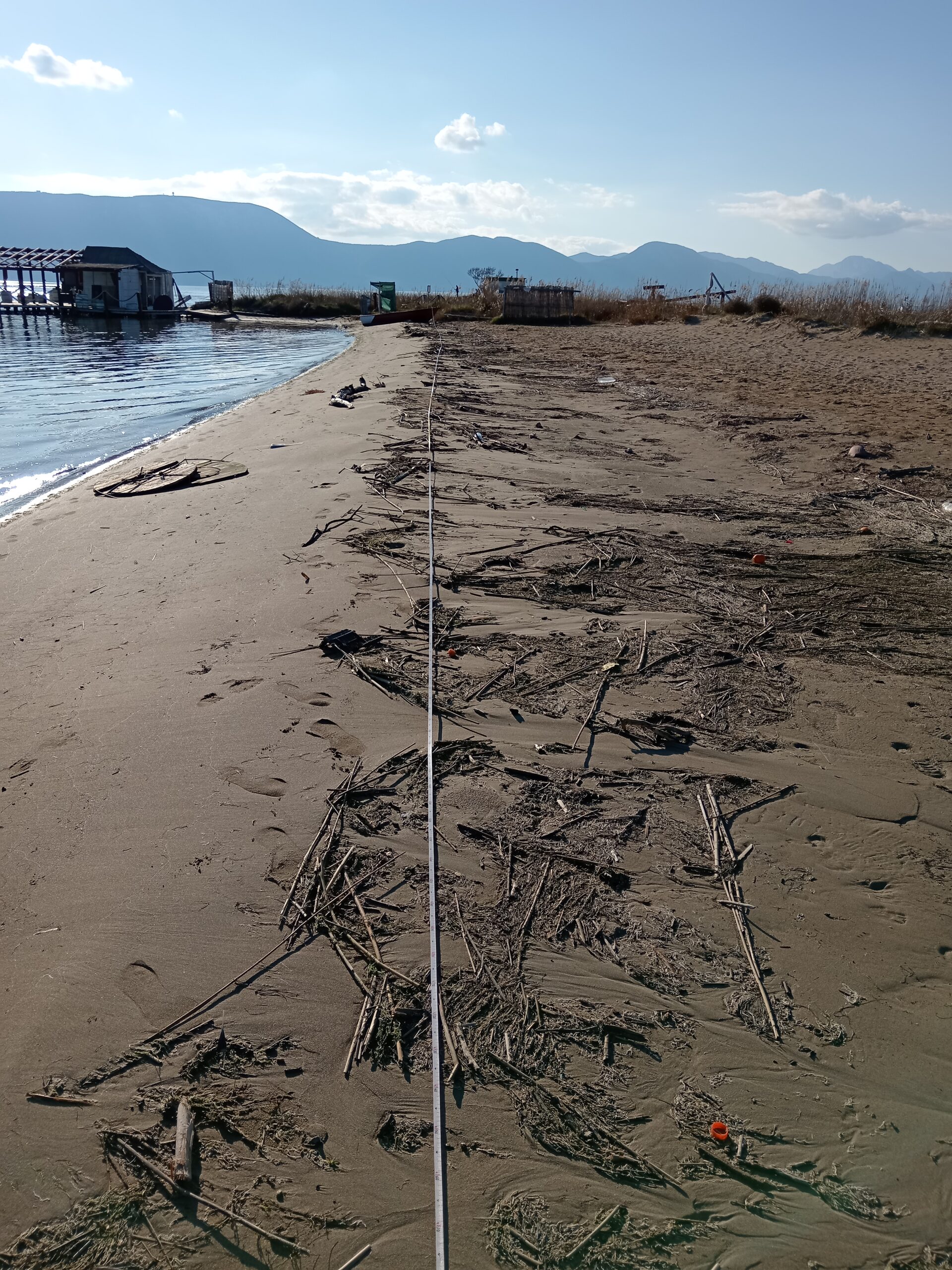
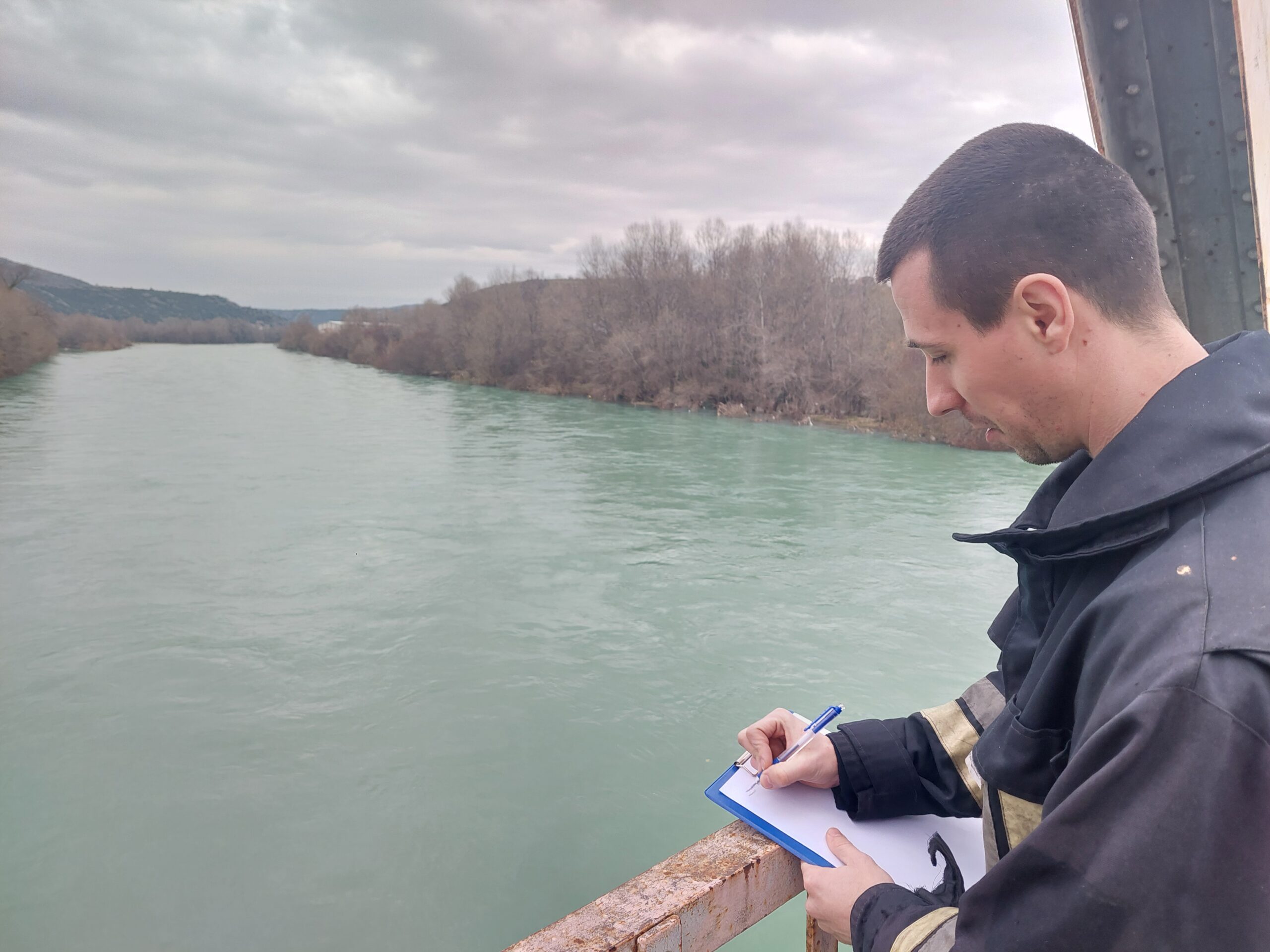
Monitoring of the composition and quantities of the above-mentioned categories is conducted using harmonised methodologies adapted to the locations where litter is present, whether on riverbanks or on the river surface, as well as to different size categories of litter. Monitoring of macro and meso litter accumulated on riverbanks is carried out through direct visual inspection at each site, including identification, recording and counting of all items found along a 100 m transect. Monitoring of macro litter on the water surface is conducted through direct visual observation from bridges and recording of all items passing downstream within a one-hour period. Observations are conducted simultaneously from four points on each bridge in the direction of river flow.
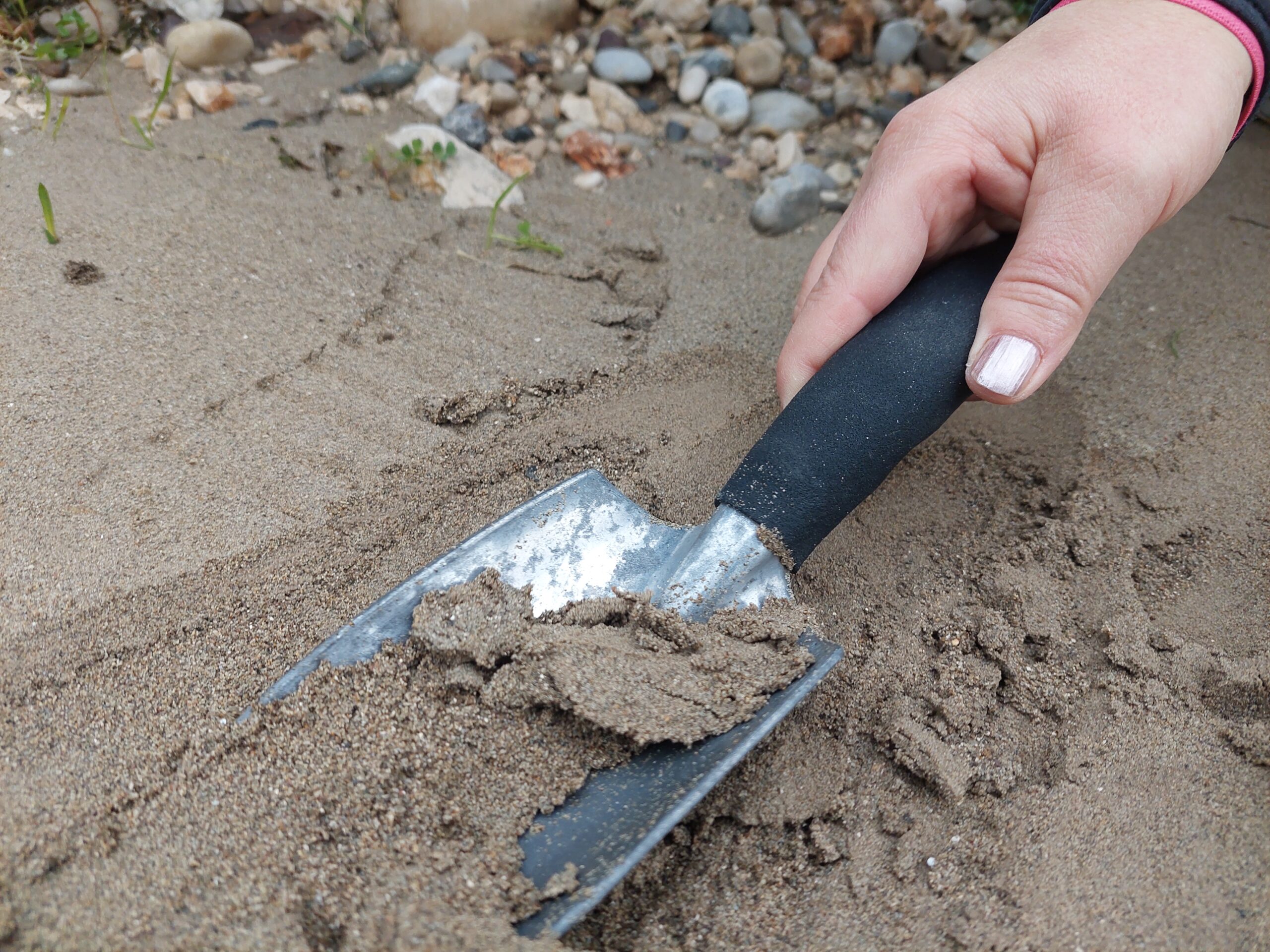
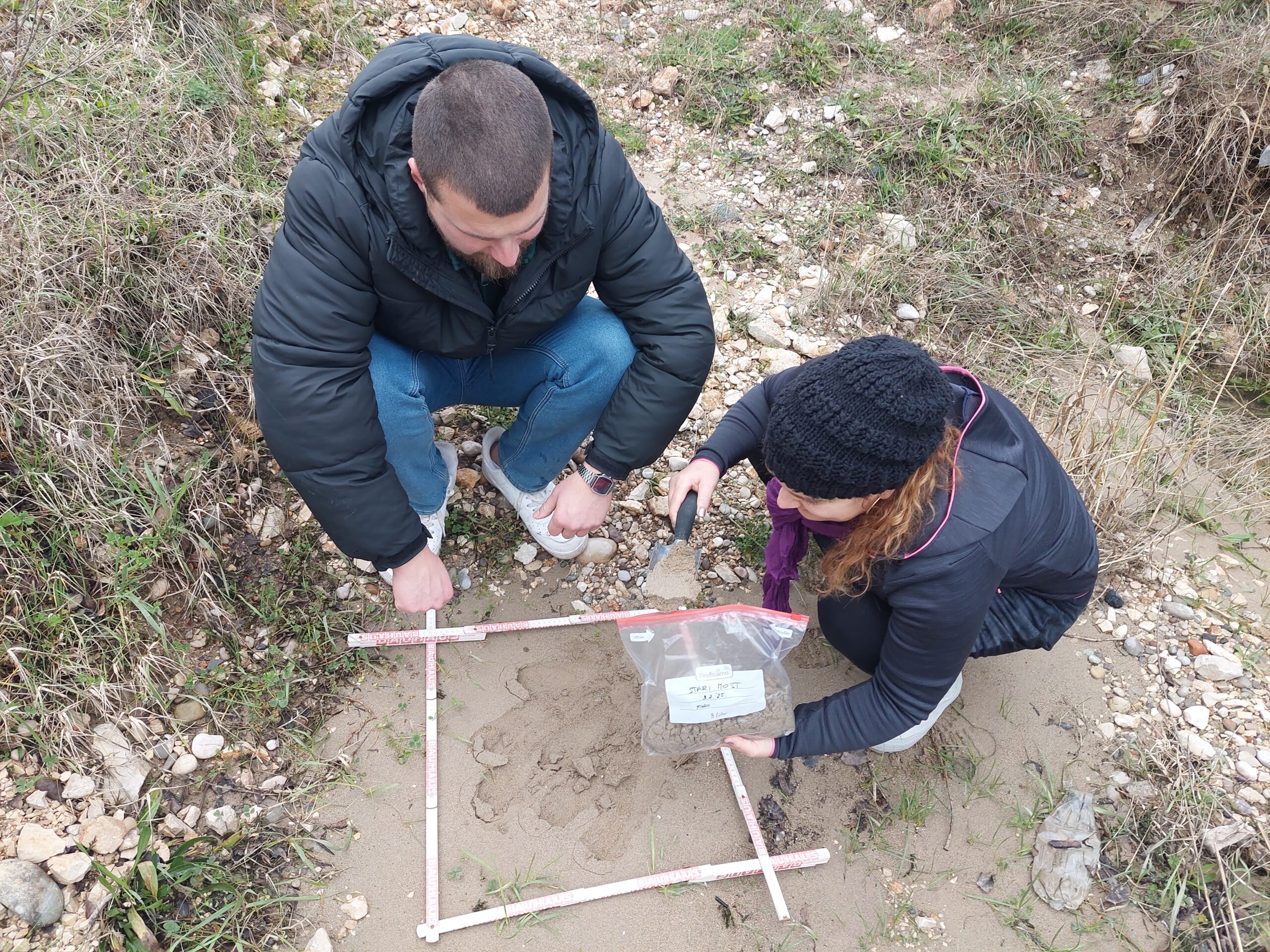
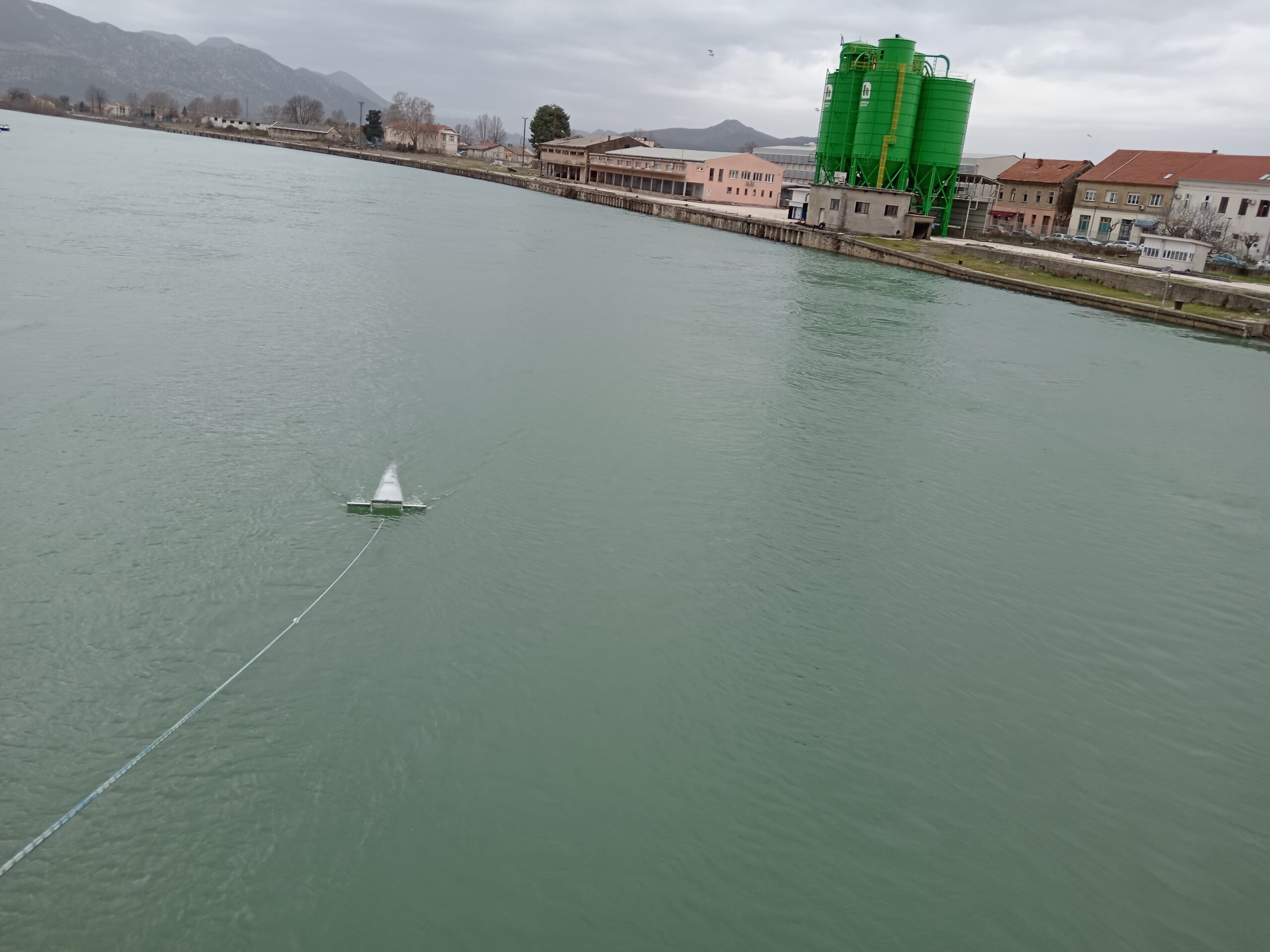
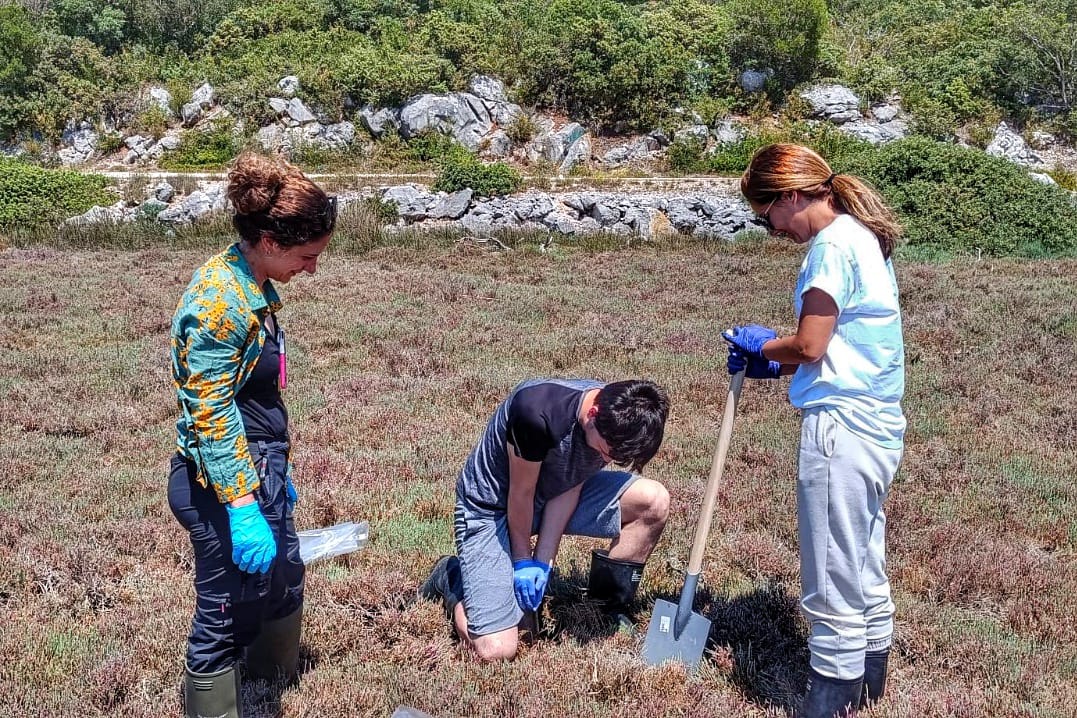
Monitoring of microplastics in sandy riverbank sediment is performed by sieving the upper 5 cm layer of sand within several 1 m² plots on the riverbank using metal sieves of different mesh sizes, retaining the material collected on the sieves. Monitoring of microplastics and meso litter on the water surface is carried out using a floating surface plankton net known as a manta net, named after its resemblance to the manta ray. The manta net is deployed on the river surface with its opening facing the current, and samples of microplastics and meso litter are collected over a 30-minute period as water flows through the net.
The surveys were conducted during a period of intense rainfall, resulting in elevated water levels and a very strong current in the Neretva River. These conditions created technical challenges for monitoring microplastics and meso litter on the river surface; however, the monitoring was successfully completed.
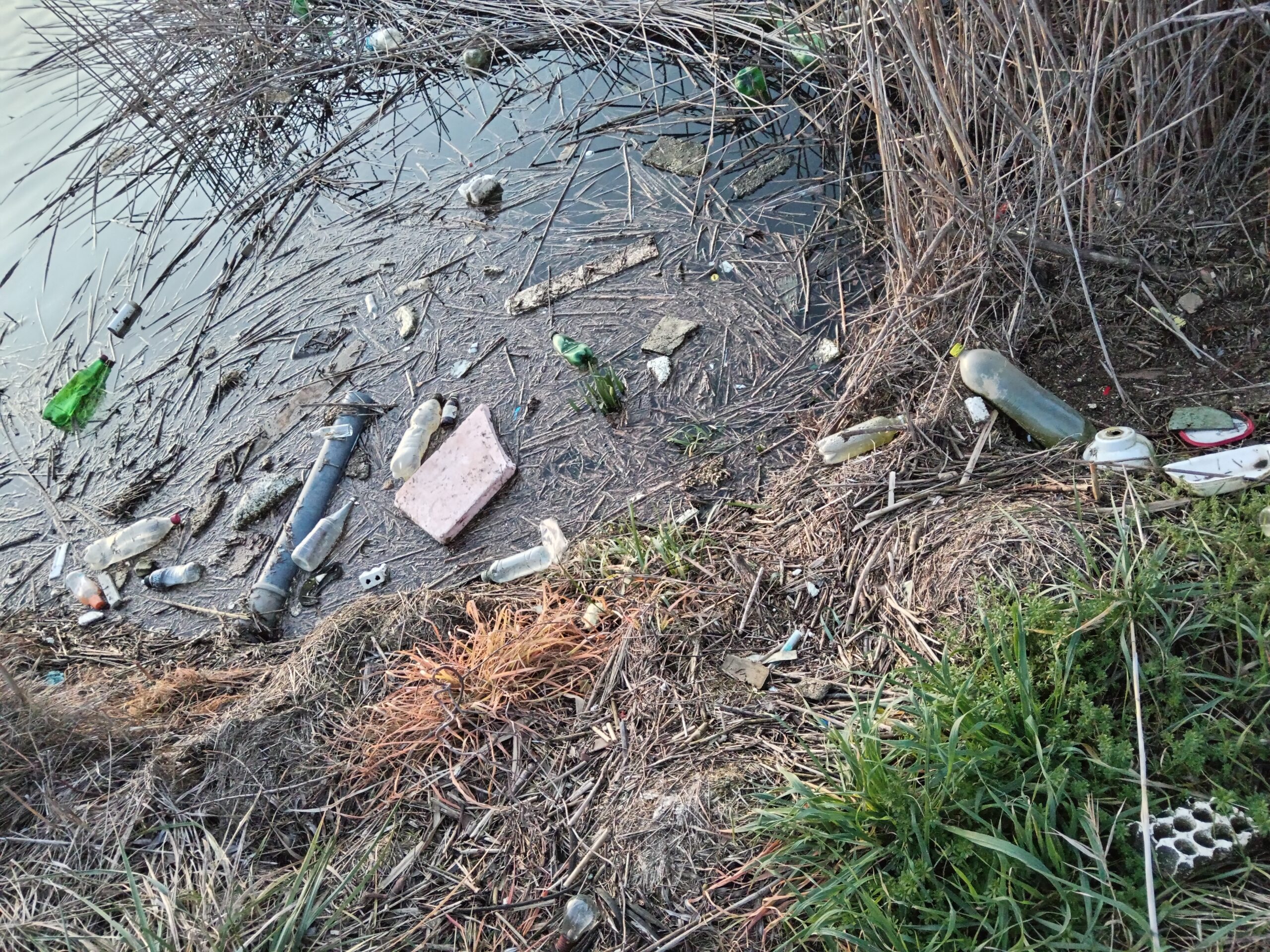
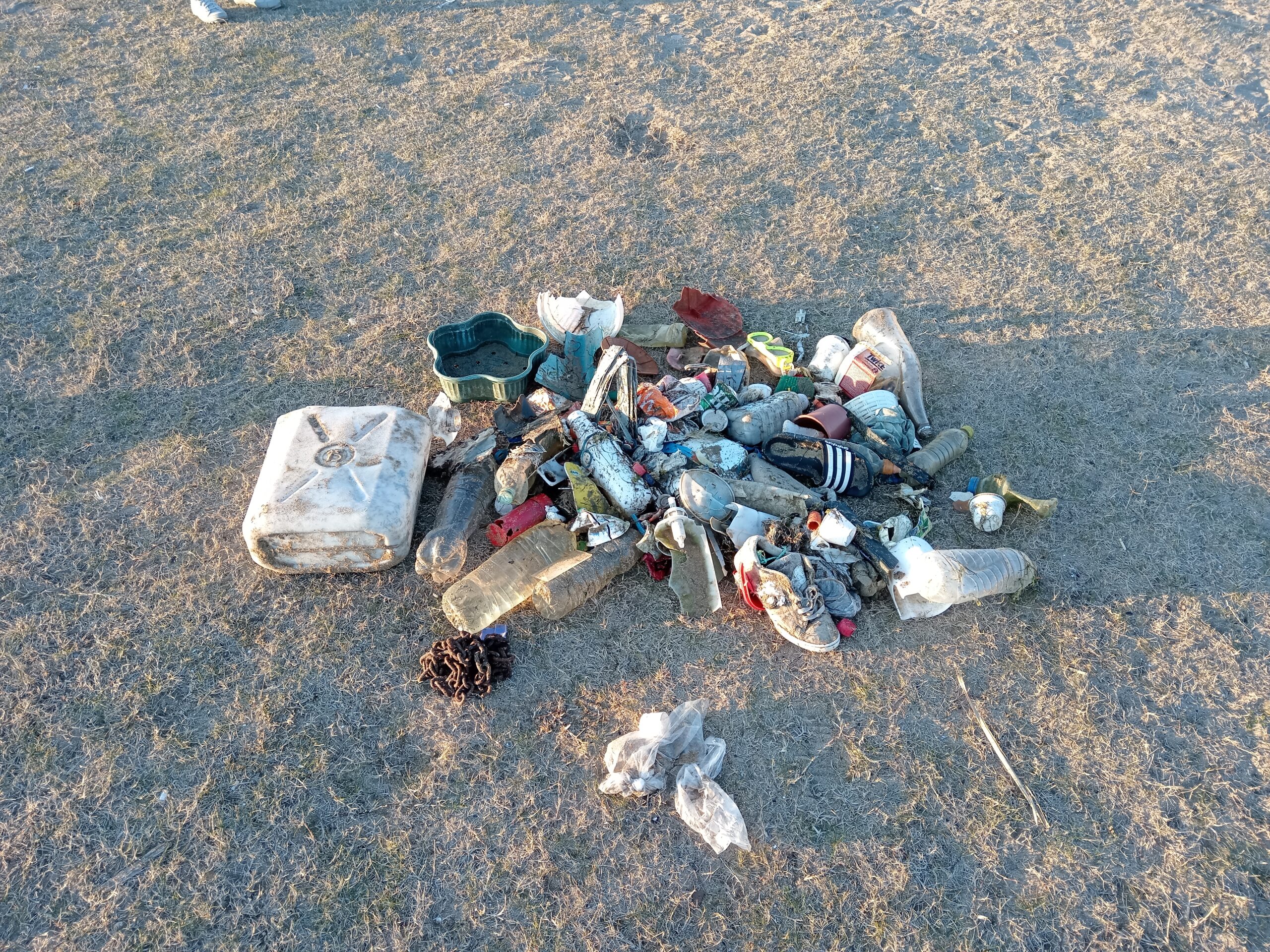
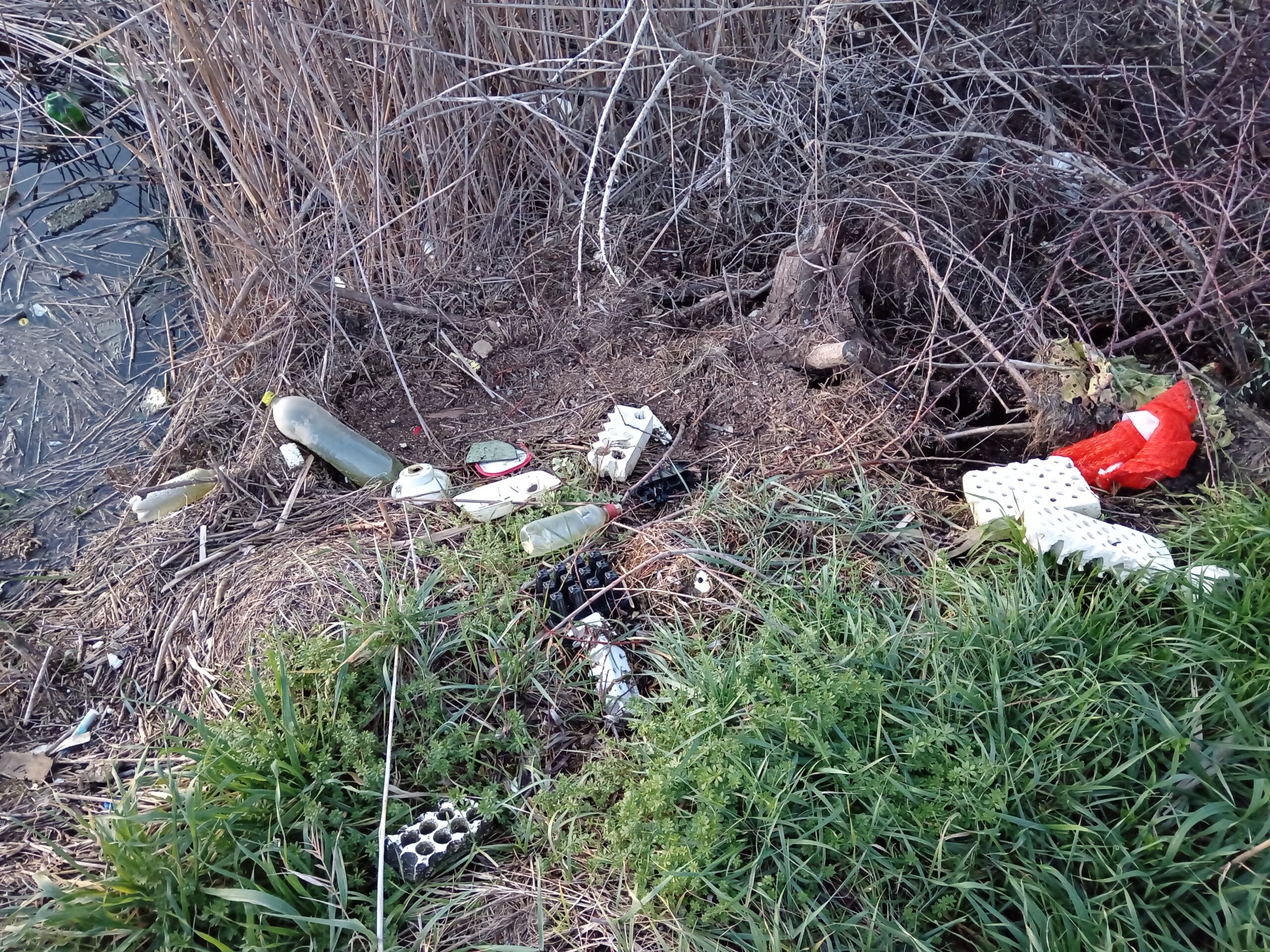
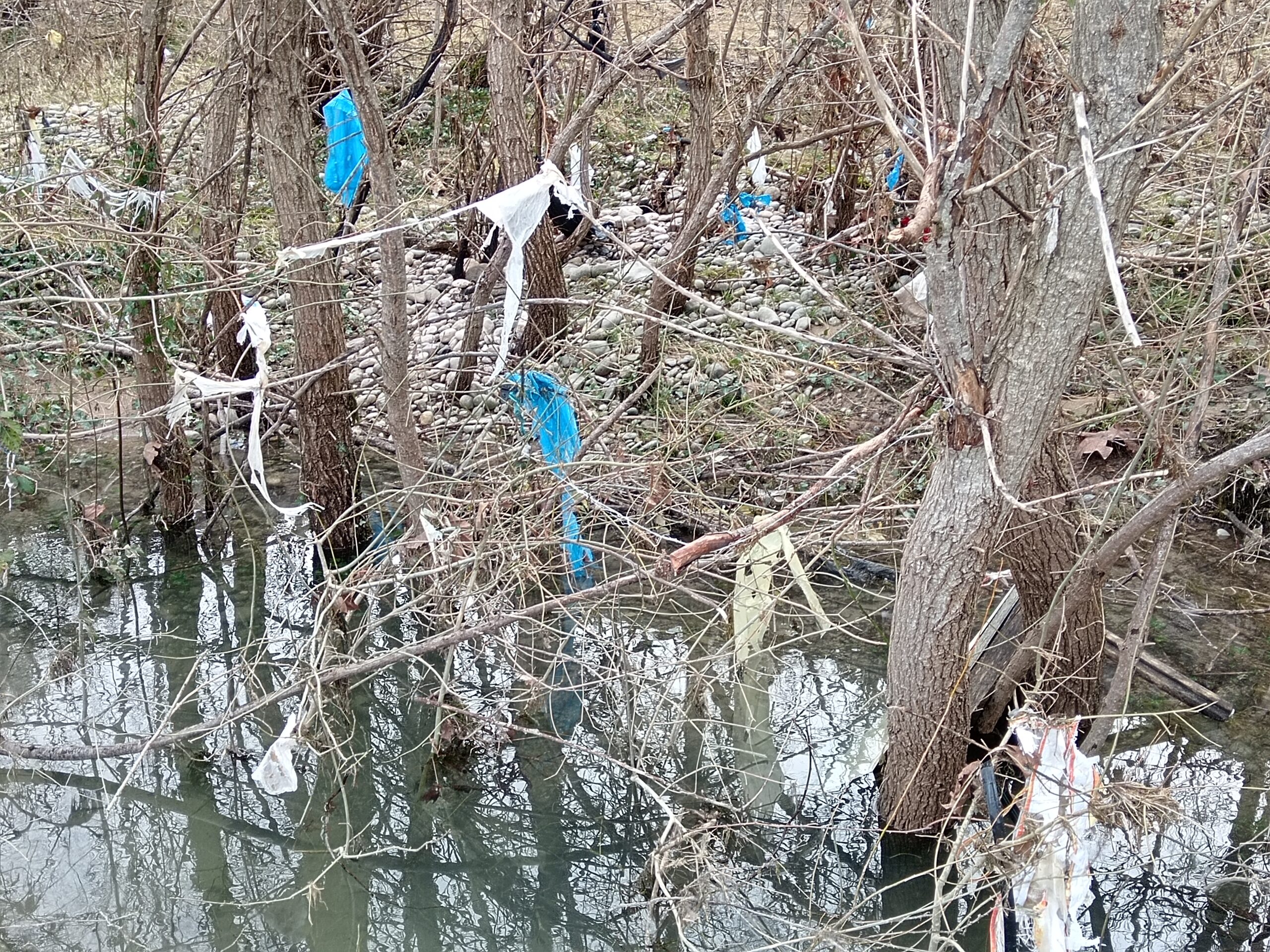
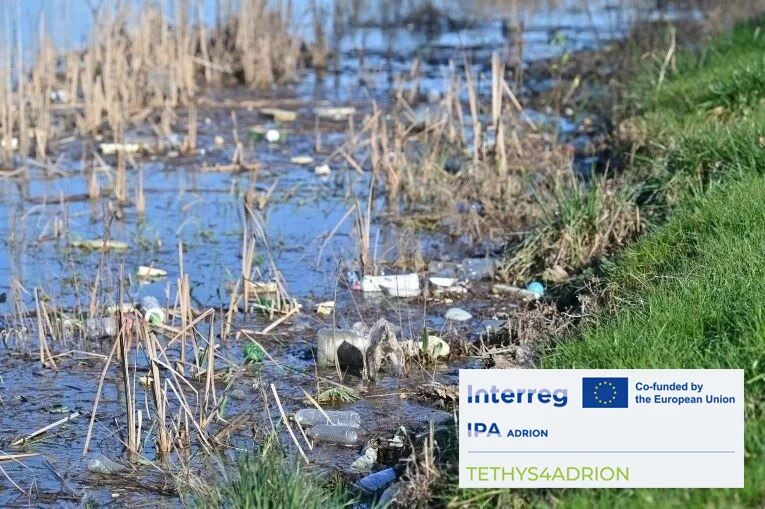
Significant quantities of litter were recorded during the survey, both accumulated on riverbanks and floating on the river surface at almost all locations. Particularly large quantities were observed during surface litter monitoring from the bridge in Metković, where numerous and diverse items, predominantly plastic, were seen drifting downstream toward the river mouth.
Among the recorded litter, plastic items were by far the most prevalent, including shopping bags, plastic agricultural waste, greenhouse films and packaging wrap, fragments of polystyrene from agricultural activities, as well as smaller fragments of various plastic items of undetermined origin. Particularly noticeable were plastic items showing signs of burning, indicating improper waste management and disposal practices. Such waste has not been properly treated, and burning generates highly harmful by-products that are released into the atmosphere.
Monitoring activities are conducted seasonally. Following this winter survey, monitoring will continue once per season throughout the project duration.